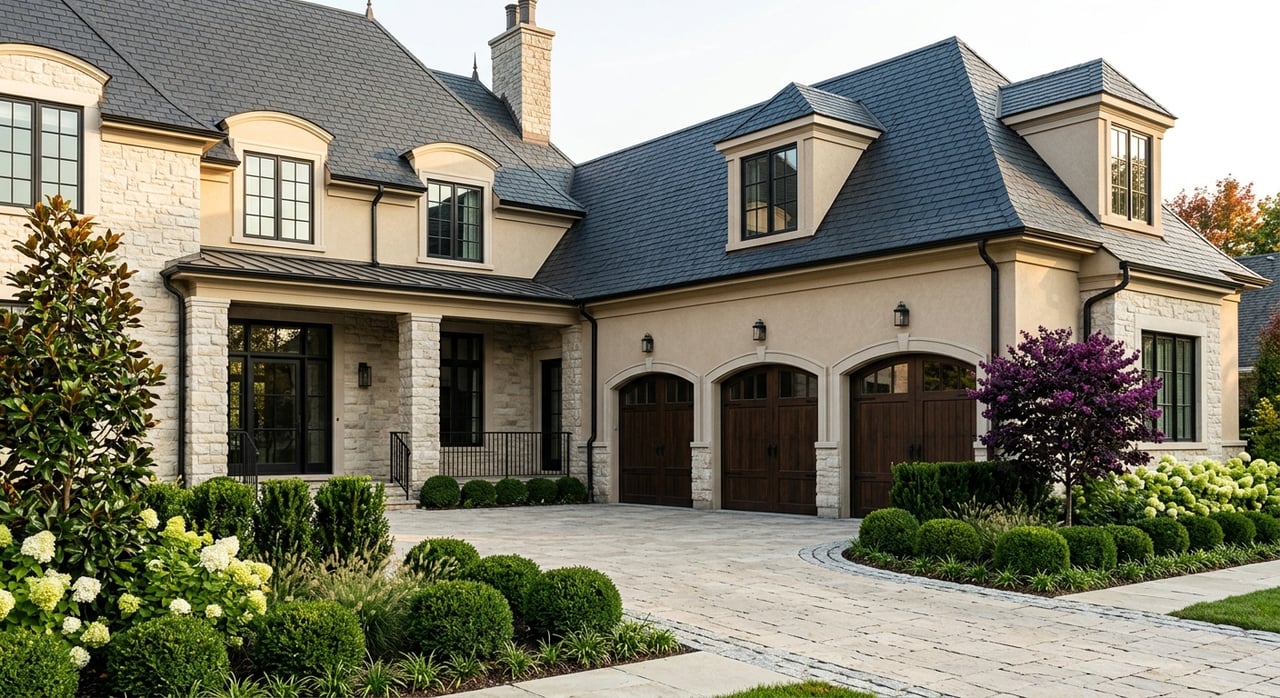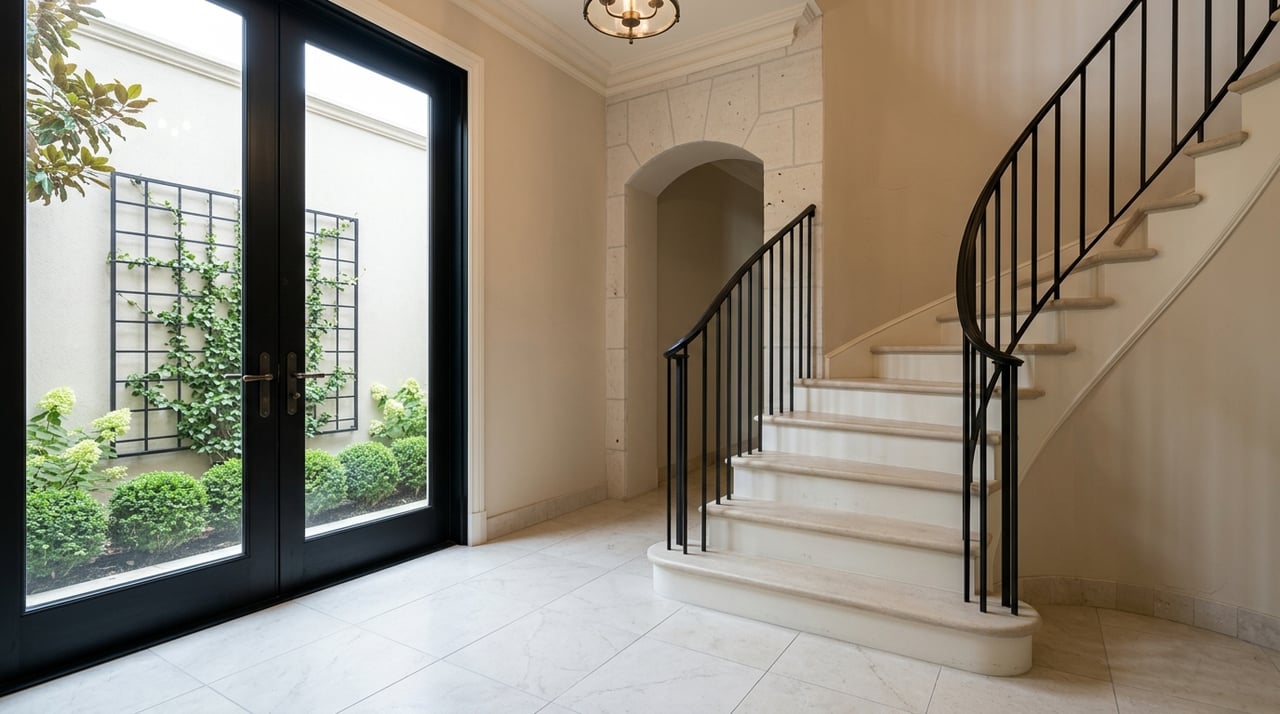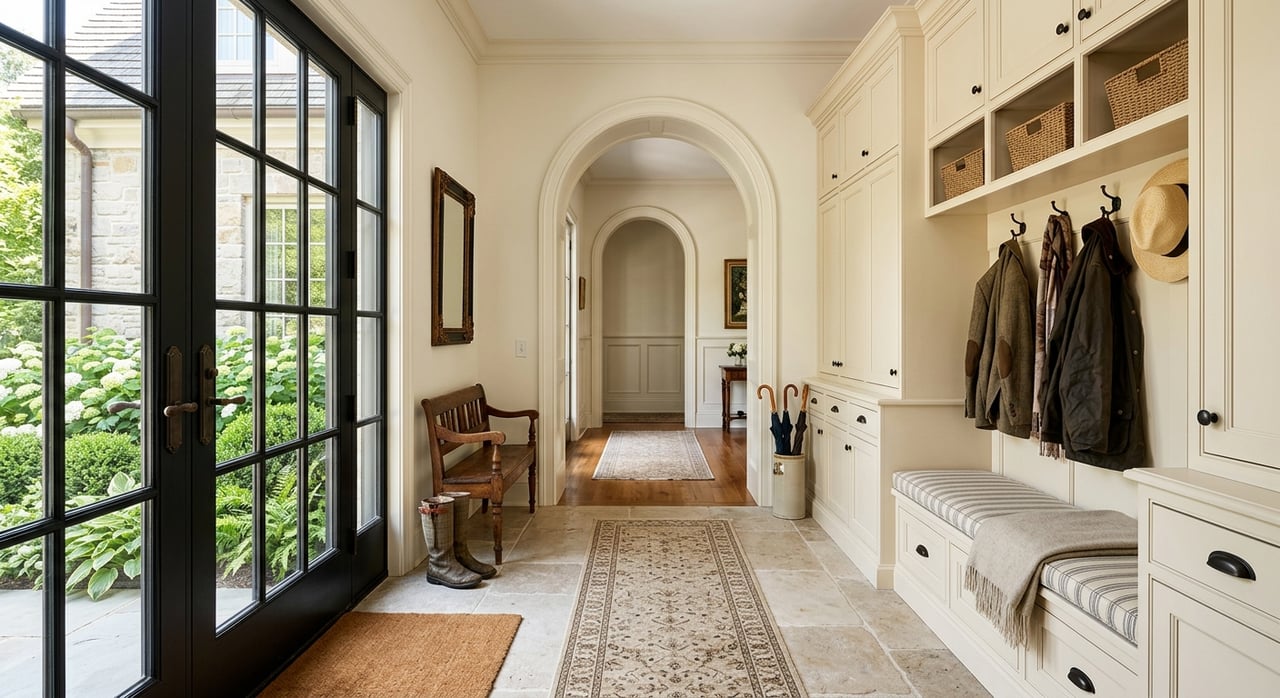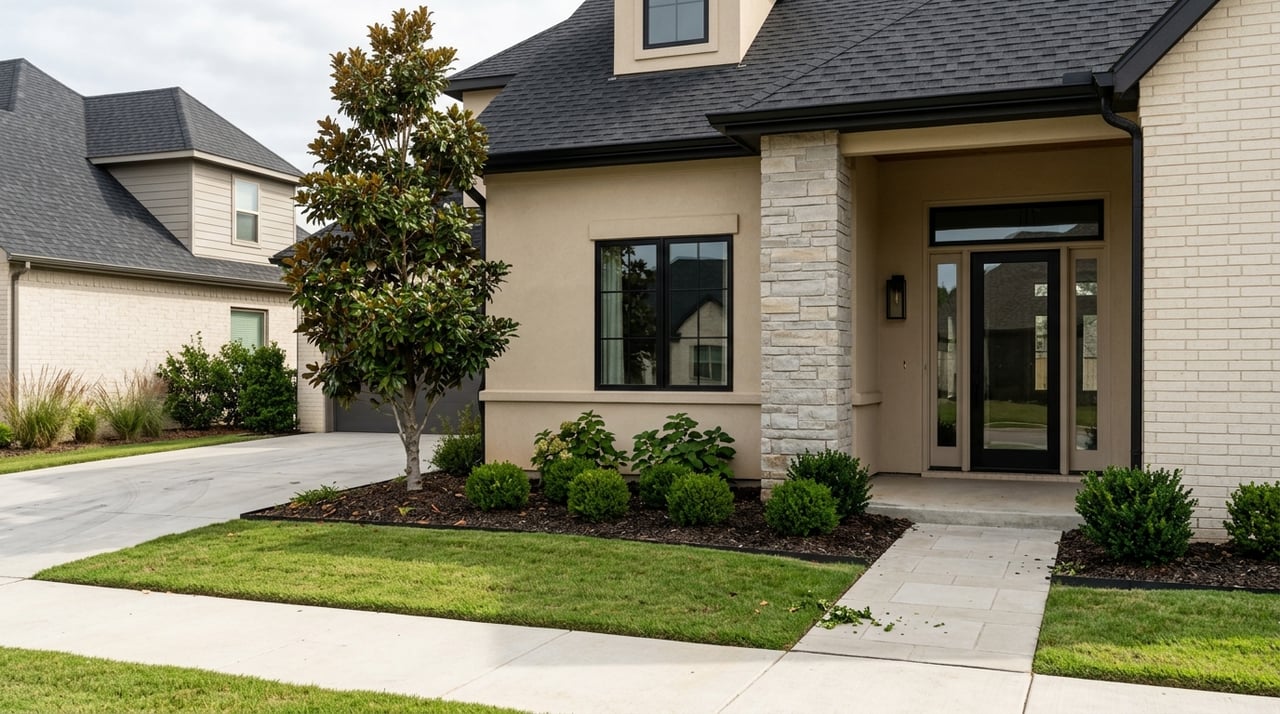
If you are exploring newer subdivisions around Cleveland, TN, you have probably noticed they can feel very different from older streets. Newer neighborhoods often come with more structure, more shared planning, and more details to compare before you buy. Understanding how these communities are built and what to verify can help you make a more confident decision. Let’s dive in.
How newer subdivisions are taking shape
Around Cleveland and Bradley County, newer subdivisions are typically created through a formal review process rather than simple lot splits. Bradley County requires final planning approval before a subdivision plat can be recorded, and the City of Cleveland uses a site review process that includes planning, engineering, stormwater, utilities, fire, and other departments. You can see that process reflected in the county’s subdivision regulations and the City of Cleveland’s site review pipeline.
That matters because it helps explain why many newer neighborhoods feel more organized from the start. Roads, drainage, utilities, and lot layouts are being reviewed under current standards. For you as a buyer, that can mean more predictability in how the neighborhood functions day to day.
What newer neighborhoods often look like
Many newer subdivisions around Cleveland share a similar overall pattern. Builder pages for communities like The Trails at Freewill and The Crossing at Willow Run show a mix of single-story and two-story homes, often with 3 to 4 bedrooms, open layouts, attached garages, and outdoor living areas.
That does not mean every community is the same. Some neighborhoods lean more toward semi-custom or custom options, while others focus on a more streamlined builder package. The key is to think of newer subdivisions as a spectrum instead of one single category.
Amenity-focused communities
Some newer neighborhoods are built around shared amenities as part of the appeal. For example, The Trails at Freewill advertises features like a community pool and cabana, sidewalks, lighting, landscaped common areas, and a playground or play field.
In a neighborhood like this, part of the value is not just the house itself. It is also the shared spaces, the neighborhood layout, and the maintenance structure that supports those features.
Semi-custom and mixed-product communities
Other subdivisions offer more flexibility in floor plans and pricing. The Crossing at Willow Run highlights one-story and two-story plans, semi-custom options, and current pricing from the mid-$300s upward, with some plans reaching into the mid-$400s to mid-$500s depending on the plan and community.
If you want a newer home without going fully custom, this type of neighborhood may be worth a closer look. It can offer a balance between personalization and a more defined build process.
Larger-lot or higher-end options
Some communities aim for a more custom or upscale feel. Falcon Crest markets large lots, underground utilities, city water, fiber optic internet, protective covenants, and both spec and custom homes. Creekside is also described with larger lots, all-brick homes, and higher-end finishes.
For buyers who want newer construction with a little more breathing room or a more tailored product, these communities may stand out. The lot setup, utility package, and covenants often play a big role in that difference.
Why infrastructure matters more than it seems
A newer subdivision may look polished on the surface, but the details underneath are just as important. Bradley County’s current subdivision regulations guide lot shape, access, drainage, utilities, and road standards.
Each lot must have public water or an approved well, public sewer or approved septic, and electricity to the property line. Roads also come with drainage and fire-flow expectations, and private-road standards require access for public safety and utility vehicles. These rules help explain why many newer neighborhoods feel more engineered and orderly than older streets.
Public roads vs. private roads
One of the first questions to ask is whether the street is public or private. Bradley County recognizes private roads as recorded easements that may be owned by lot owners or a property owners association. The county also defines cul-de-sacs as dead-end local roads under its subdivision rules.
For you, the practical issue is maintenance. If the road is private, you will want to know who pays for upkeep, repairs, and long-term improvements.
Utilities and connectivity
Utilities are a major part of the buying conversation in newer communities. Cleveland Utilities notes that new construction customers must complete service forms, and CU Fiber is available to all electric customers.
That does not mean every home in every phase is fully set up the same way on day one. When you visit, it is smart to ask whether utility connections and fiber are already in place or still being completed.
HOA and covenant questions to ask early
In many newer subdivisions, the HOA or resident association does more than collect dues. It may manage common areas, private streets, design standards, and neighborhood rules. Spring Creek’s association is a local example of how a newer community can pair a neighborhood with formal covenants, conditions, restrictions, and architectural standards.
This is where a lot of buyers either gain peace of mind or discover tradeoffs they did not expect. A well-run association can help maintain common areas and consistency, but it can also come with approval rules and ongoing costs.
What the city does and does not enforce
It is important to know that the City of Cleveland’s Code Enforcement Division does not enforce HOA bylaws, subdivision restrictions, or deed restrictions. It enforces state and city laws only. If there is a covenant issue, the association handles it.
That means HOA documents are not just paperwork to skim at closing. They are a key part of how the neighborhood actually operates.
Your HOA review checklist
Before you buy in a newer subdivision, review:
- HOA dues
- Any special assessments
- Exterior change approval rules
- Parking standards
- Pet rules
- Rental restrictions
- Responsibility for road upkeep
- Common-area maintenance obligations
These details can affect your budget, daily routine, and flexibility over time.
Newer subdivisions vs. older streets
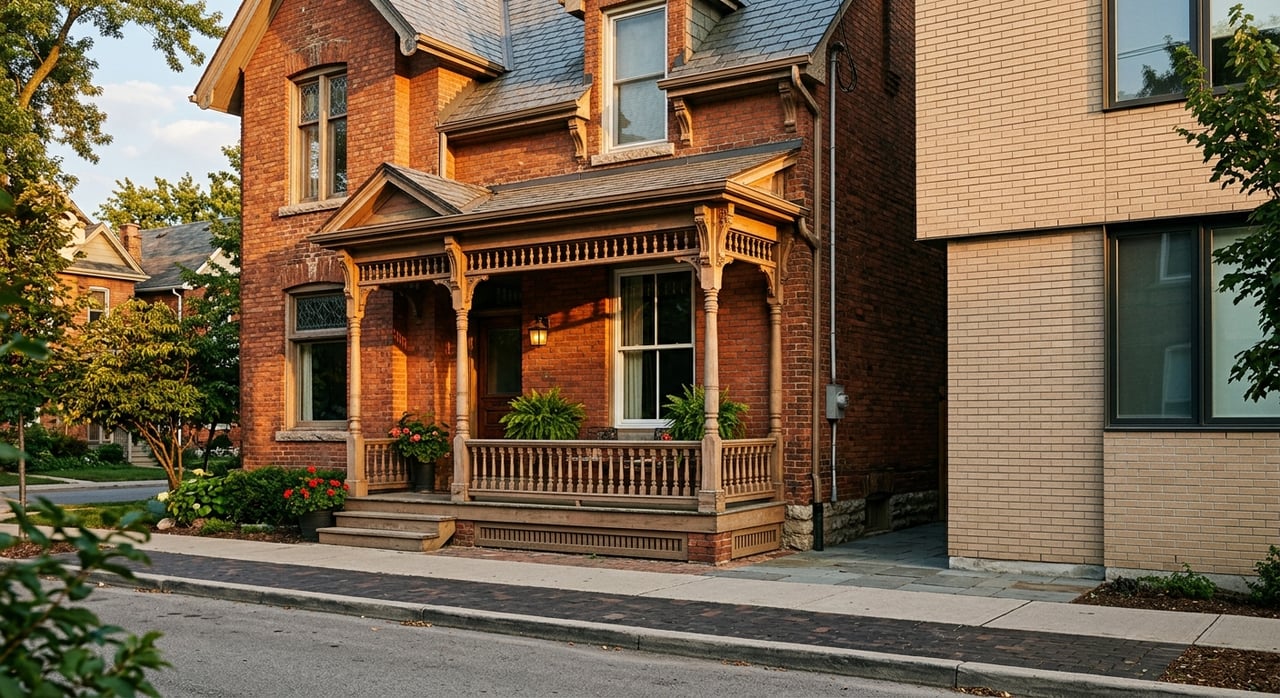
A helpful way to compare newer subdivisions with older parts of Cleveland is predictability versus individuality. Based on current regulations and local builder and HOA examples, newer neighborhoods often have more uniform home styles, road patterns, utility setups, and maintenance rules. Older established streets may offer more variation and fewer shared amenities.
Neither option is automatically better. It depends on what matters most to you. Some buyers want sidewalks, community features, and a more structured neighborhood setup, while others prefer an area with a wider mix of home styles and fewer formal rules.
What to verify when you visit
A model home or listing photos can only tell you so much. When you tour a newer subdivision around Cleveland, it helps to look beyond the finishes and focus on how the neighborhood works.
On-the-ground checklist
Use this quick checklist during your visit:
- Is the street public or private?
- How does drainage look after rain?
- Are sidewalks continuous or partial?
- Is there parking spillover on the street?
- Do common areas look maintained?
- Are utilities and fiber already in place?
- Is the neighborhood still building out?
You can also check the City of Cleveland’s site review page to see whether a community has additional phases, plats, or related projects in the pipeline. That can give you a better sense of whether you are buying into a finished neighborhood or one that is still evolving.
A smart way to think about newer Cleveland-area subdivisions
The most useful way to understand newer subdivisions around Cleveland is to see them as a range of options. Some are amenity-rich planned neighborhoods. Some are semi-custom builder communities. Others offer larger lots, custom elements, or a more compact product mix.
The most important local differentiators tend to be road ownership, HOA scope, utility setup, and how much shared maintenance is built into the neighborhood from the start. Once you know how to evaluate those pieces, it becomes much easier to compare one community with another.
If you want help sorting through newer subdivisions in Cleveland and Bradley County, the team at Don Ledford Group is here to offer clear, personal guidance based on your goals. Real estate is personal, and having a trusted local resource can make the process a lot easier.
FAQs
What defines a newer subdivision in Cleveland, TN?
- In Cleveland and Bradley County, newer subdivisions are generally planned neighborhoods created through a formal review and approval process that includes plats, engineering, utilities, drainage, and other requirements.
What should buyers ask about roads in newer Bradley County subdivisions?
- You should ask whether roads are public or private and who is responsible for maintenance, because some private roads are owned or maintained by lot owners or an association.
What utilities are typically required in newer Cleveland-area subdivisions?
- Under Bradley County rules, each lot must have public water or an approved well, public sewer or approved septic, and electricity to the property line.
What does an HOA usually handle in a newer Cleveland subdivision?
- In many newer communities, the HOA or resident association may manage common areas, private streets, design standards, and covenant enforcement.
Does the City of Cleveland enforce HOA rules in subdivisions?
- No. The City of Cleveland enforces state and city laws, but it does not enforce HOA bylaws, deed restrictions, or subdivision restrictions.
How can buyers tell if a newer Cleveland neighborhood is still under development?
- You can review the City of Cleveland’s public site review page to see whether additional phases, plats, or neighborhood projects are still in process.