Thinking about buying a duplex, triplex, or fourplex in Cleveland, Tennessee? Small multi-family can be one of the most approachable ways to get started with investment real estate, but the numbers only work when you understand the local rules, the housing stock, and the real costs behind the rent. If you want a clearer picture of what to watch for before you buy, this guide will walk you through the basics and help you start with more confidence. Let’s dive in.
Why Cleveland stands out
Cleveland is a growing market with a housing mix that makes small multi-family worth a close look. According to the U.S. Census QuickFacts for Cleveland, the city’s estimated population reached 50,232 in 2024, up 5.1% from 2020. The same source reports a 50.3% owner-occupied housing rate, a median owner value of $241,800, and a median gross rent of $966.
Local housing data also shows that smaller multi-family properties are not rare here. The City of Cleveland 2024 Consolidated Plan notes that 18% of units are in 2 to 4 unit structures, 13% are in 5 to 19 unit structures, and 5% are in 20+ unit buildings. That means Cleveland has meaningful inventory in the categories many first-time investors are targeting.
The same city plan reports rental vacancy below 3% in the 2022 ACS estimate and highlights rising affordability pressure. For you, that can point to solid demand, but it also means you should underwrite carefully and avoid assuming that every unit will stay full or that every renovation will justify top-of-market rents.
What counts as small multi-family
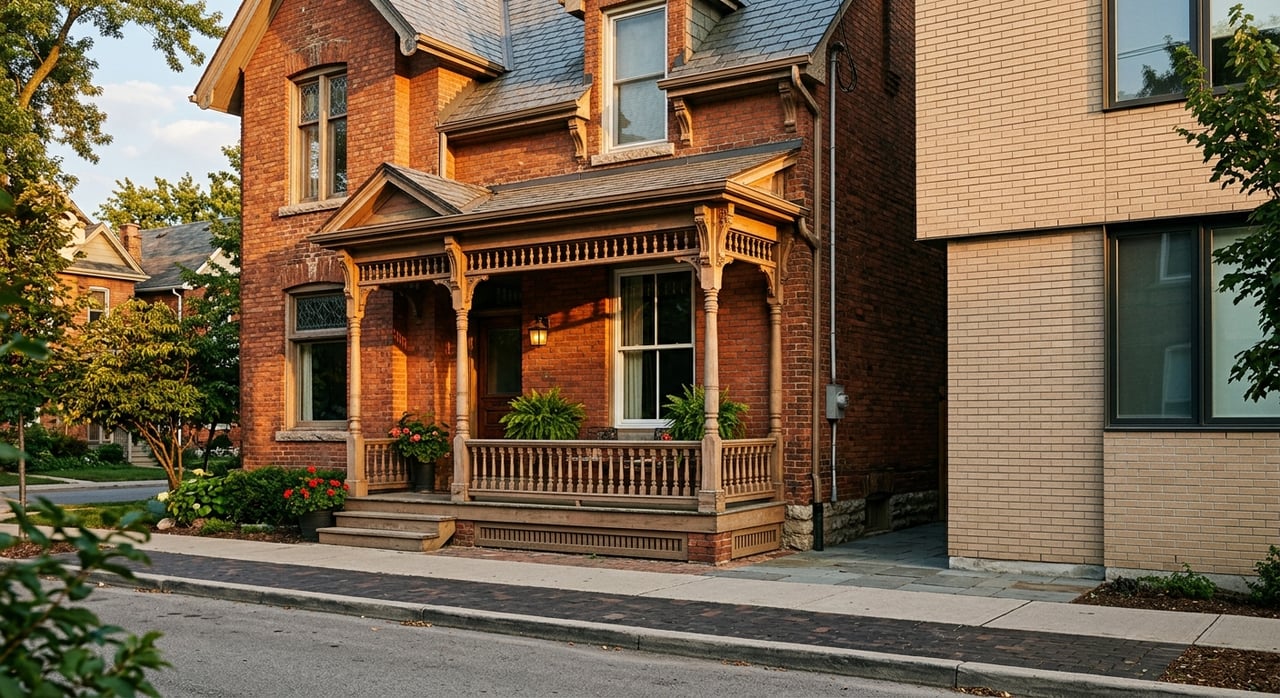
When most buyers say “small multi-family,” they usually mean a property with two to four units. In Cleveland, that often includes duplexes, triplexes, and quadraplexes.
Cleveland’s zoning ordinance defines a duplex as a structure on a single lot containing two dwelling units. The ordinance also allows duplexes, triplexes, and quadraplexes by right in the R-2 Low Density Single- and Multi-Family Residential District. In the R-3 Multi-family Residential District, multi-family dwellings with three or more units per structure are allowed, whether designed as apartments, condominiums, or townhomes, according to the City of Cleveland zoning ordinance.
That zoning detail matters because a property that looks like a great investment on paper still needs to be legally usable the way you intend. Before you close, you should confirm zoning, lot setup, and whether the current use matches the city’s records.
Start with zoning and site review
A first-time investor can get into trouble fast by focusing only on rent potential. In Cleveland, you also need to think about site review, access, parking, drainage, and any redevelopment requirements.
The city states that site review approval is required for all multifamily residential development. If you are planning new construction, an addition, or meaningful redevelopment, that process may apply to your project. The city also notes that sites with a combined building area of 5,000 square feet or more require engineer-stamped site plans, while smaller projects may be allowed to submit a site sketch.
Even if you are not building from the ground up, this is a good reminder to ask detailed due diligence questions before buying. A property’s zoning may support the use, but layout, access, drainage, or prior unpermitted work can still create delays and added costs.
Budget for permits and licensed work
Many first-time buyers underestimate rehab complexity, especially on older duplexes and small apartment buildings. In Cleveland, permits are required for new buildings, additions, alterations, and substantial repairs, with separate permits for plumbing, HVAC, electrical, signs, and demolition.
The city also requires licensing for much of this work. According to Cleveland’s work requiring permit guidance, contractor licensing rules can apply to electrical, mechanical, plumbing, and certain remodeling or commercial work. If your business plan includes updates after closing, confirm permit requirements and contractor qualifications early rather than treating them as an afterthought.
That step can help you build a more realistic timeline and avoid the common mistake of underestimating renovation costs.
Older housing stock changes the math
In Cleveland, age of housing is a major part of the story. The city’s consolidated plan reports that 45% of housing units were built from 1950 to 1979, and 44% of renter-occupied units were built before 1980. That is important because many small multi-family opportunities may come with deferred maintenance or aging systems.
For you, that can mean budgeting for:
- Roof repair or replacement
- Plumbing or electrical updates
- HVAC replacement
- Window and insulation issues
- Moisture or drainage problems
- Interior turns that cost more than expected
The city plan also makes lead-paint awareness relevant when dealing with older stock. A lower purchase price can look attractive, but if major systems are near the end of their life, your true cost basis may be much higher than the listing suggests.
Underwrite the deal the simple way
If you are new to multi-family, keep your underwriting simple and disciplined. Start with income, subtract operating costs, and see what cash flow is left to support debt service and reserves.
A practical underwriting review should include:
- Scheduled rent
- Vacancy and credit loss
- Property taxes
- Insurance
- Utilities you will pay
- Repairs and maintenance
- Property management fees if applicable
- Replacement reserves
From there, you can estimate net operating income, often called NOI. You can then compare that figure to your expected loan payments.
One key metric is debt service coverage ratio, or DSCR. Fannie Mae’s multifamily guide defines DSCR as net cash flow divided by principal, interest, and certain other required debt payments after deducting replacement reserve expense. In plain English, it helps show whether a property’s cash flow can support the loan with enough breathing room.
For a duplex or triplex, this is especially important because one vacancy can have a big impact on your income. A deal that seems strong at full occupancy may feel very different when one unit is empty for a month or two.
Use realistic rent and vacancy assumptions
Cleveland’s data supports demand, but that does not mean every pro forma should be taken at face value. The Census QuickFacts page reports a median gross rent of $966, while the city’s consolidated plan notes a median list monthly rent of $1,532 in January 2024. Those are different measures, and asking rents are not the same as signed rents.
That gap is a good reason to stay conservative. If a seller or listing presents upside through future rent growth, your job is to test whether those rents are legal, supportable, and realistic for that specific property condition and location.
A smart first pass is to ask:
- Are current rents actually being collected?
- Are leases in place and transferable?
- Are below-market units truly underpriced, or do they reflect condition?
- Will upgrades require permits or licensed contractors?
- What happens to cash flow if one unit goes vacant?
Verify taxes before you commit
Property taxes can surprise new investors, especially if they rely on rough estimates. The City of Cleveland tax information explains that Tennessee property taxes are paid in arrears and that current calendar-year bills are due from October 1 through February 28 without penalty or interest. The city also notes that properties inside city limits receive a county bill in addition to the city bill.
That means you should verify whether the property is inside city limits and review actual tax bills whenever possible. Estimated taxes can throw off your numbers, and even a small error matters more when you are underwriting a property with only two to four units.
Know the lease rules before you self-manage
If you plan to manage the property yourself, do not assume a generic lease template will cover you. Tennessee’s healthy homes guidance states that the Uniform Residential Landlord and Tenant Act applies in counties with populations over 75,000 on the 2010 Census, which includes Bradley County. You can review that guidance through the State of Tennessee healthy homes resource.
That makes lease compliance a major part of getting started. Under Tennessee law, landlords must comply with building and housing codes that materially affect health and safety, make repairs needed to keep premises fit and habitable, keep common areas clean and safe, and provide suitable trash receptacles in multi-unit complexes of four or more units, as outlined in Tennessee Code § 66-28-304.
Security deposit handling also matters. The same legal framework requires specific procedures, including a dedicated account and notice requirements tied to the deposit. Those details are easy to overlook, but they are part of operating the property correctly from day one.
Keep fair housing front and center
No matter how small the property is, fair housing compliance matters. The U.S. Department of Housing and Urban Development states that the Fair Housing Act prohibits discrimination in the sale or rental of housing based on race, color, national origin, religion, sex, familial status, and disability.
For a small multi-family owner, that should shape how you approach advertising, screening, lease terms, occupancy rules, and reasonable accommodation requests. Clear, consistent processes can help reduce risk and support a more professional rental operation.
Watch for code issues after closing
Owning rental property is not just about collecting rent. Day-to-day operations can sometimes overlap with local code enforcement, especially when maintenance or safety issues arise.
Cleveland’s Code Enforcement division handles municipal codes related to public health, safety, welfare, minimum building standards, land use, and zoning. If a property has unresolved violations or falls behind on maintenance, that can become a real operational issue, not just an inconvenience.
Before you buy, it is worth asking more questions about the condition of the building and whether any known code concerns exist.
What a strong first deal looks like
A strong small multi-family deal in Cleveland is not just one with attractive rent numbers. It is a property where the use is legal, the condition is understood, the lease setup is compliant, and the cash flow can handle normal bumps in the road.
As a simple checklist, your first deal should ideally offer:
- Clear zoning for the current or intended use
- A realistic repair budget based on actual condition
- Verifiable rents and operating costs
- Tax bills you have reviewed directly
- Enough margin for vacancy, maintenance, and reserves
- A lease and management plan that follows Tennessee rules
If you are just getting started, having an experienced local team can make the process much easier. From reviewing opportunities to helping you think through due diligence, the right guidance can save time and protect your downside. If you are exploring duplexes, triplexes, or other investment opportunities in Cleveland, connect with Don Ledford Group for relationship-driven guidance rooted in local market knowledge.
FAQs
What is considered small multi-family in Cleveland, Tennessee?
- In most cases, small multi-family refers to duplexes, triplexes, and fourplexes, and Cleveland zoning allows these uses in certain residential districts.
What zoning districts allow duplexes and triplexes in Cleveland?
- Cleveland’s zoning ordinance allows duplexes, triplexes, and quadraplexes by right in the R-2 district, while larger multi-family uses fit within the R-3 district.
What should you budget for when buying older small multi-family property in Cleveland?
- You should plan for possible deferred maintenance, system replacement, permit costs, and repair reserves, especially since much of Cleveland’s housing stock was built before 1980.
What legal rules apply to landlords in Bradley County rentals?
- Bradley County falls under Tennessee’s Uniform Residential Landlord and Tenant Act guidance, so lease terms, repairs, habitability, and deposit handling should be managed with those rules in mind.
Why does vacancy matter more in a duplex or triplex investment?
- In a smaller property, one empty unit can remove a large share of your rental income, which can quickly affect cash flow and debt coverage.
What is one of the most important first steps before buying small multi-family in Cleveland?
- One of the most important steps is verifying zoning, property condition, current rents, taxes, and any permit or site-review requirements before closing.