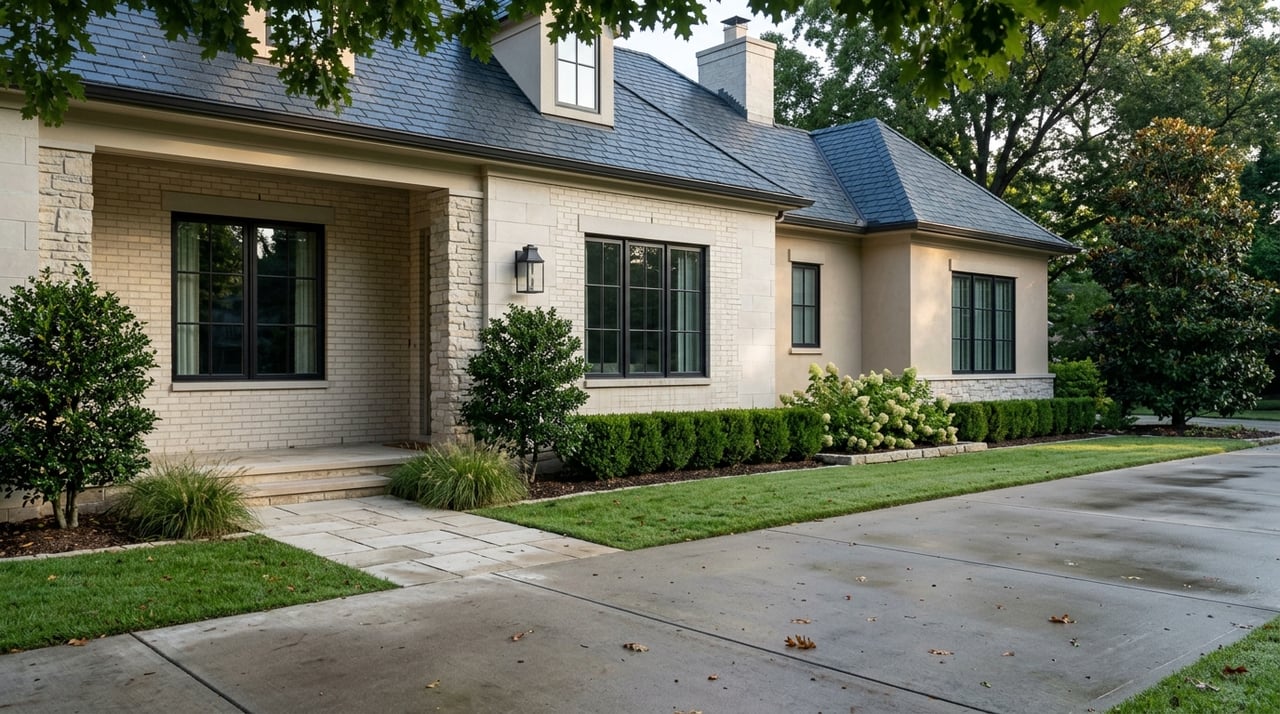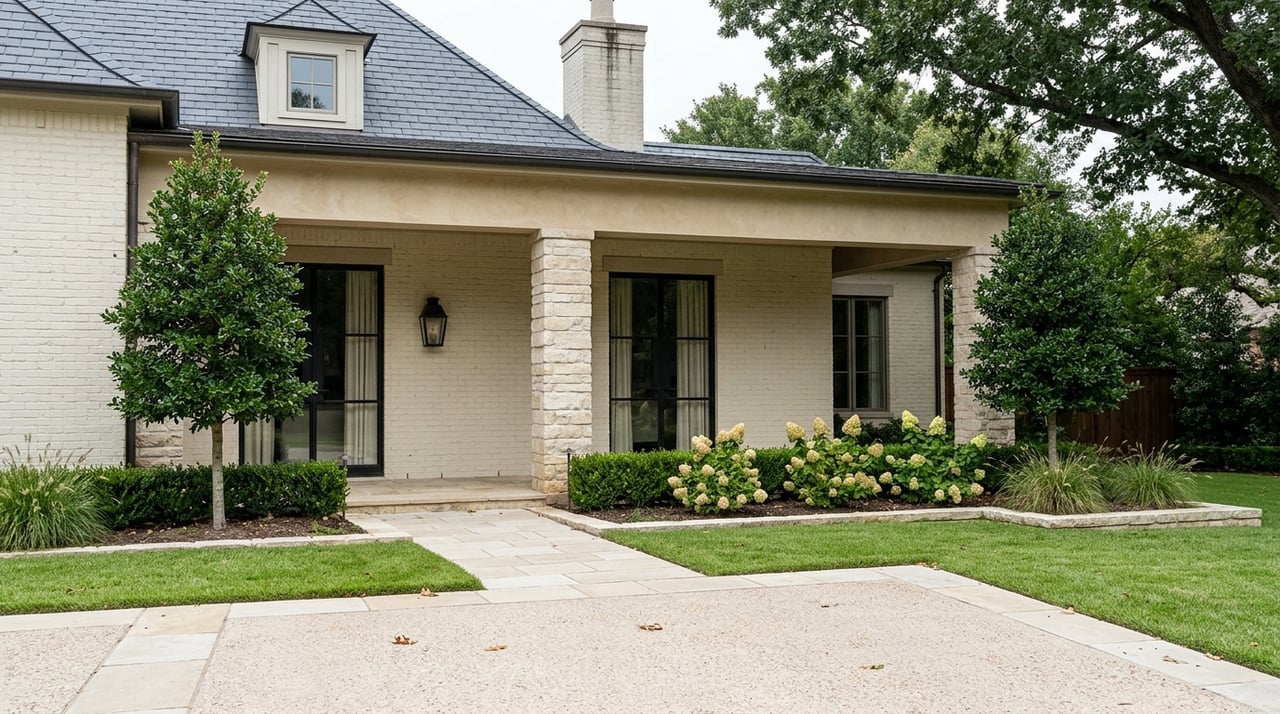
Trying to buy and sell at the same time in Cleveland can feel like a moving target. You want to line up timing, financing, inspections, and closing dates without ending up with two housing payments or nowhere to go. The good news is that Cleveland’s current market gives you room to plan, but not room to wing it. If you understand your options and coordinate early, you can make the transition much smoother. Let’s dive in.
What the Cleveland market means
If you are making a move in Cleveland, it helps to know that this is not an extreme sprint market right now. In Bradley County, the Greater Chattanooga REALTORS® January 2026 report shows 142 new listings, 52 closed sales, a median sales price of $327,380, 105 days on market until sale, 354 homes for sale, and 3.9 months of inventory.
At the city level, Realtor.com’s February 2026 Cleveland market snapshot classifies Cleveland as a balanced market, with 884 homes for sale, a 98% sale-to-list ratio, and homes selling for about 1.85% below asking on average. That usually means timing matters, but you may have more negotiating room and planning flexibility than you would in a very fast seller market.
For you, that points to one key takeaway: success comes from sequencing, not rushing. A balanced market can support several good strategies, but each one depends on your budget, equity, and comfort with risk.
Three ways to handle both moves
Sell first, then buy
For many homeowners, this is the simplest and lowest-risk path. The Consumer Financial Protection Bureau notes that homeowners normally try to sell first before buying another home.
The main advantage is clear. You reduce the chance of carrying two mortgage payments at once, and you know exactly how much equity you have available for your next purchase.
The tradeoff is timing. If your next home is not ready when your current home closes, you may need temporary housing, storage, or a short-term rental.
In the Cleveland and Bradley County area, the longer days-on-market trend makes this route realistic for many sellers. Still, 105 days on market in the county report is a reminder not to assume your home will sell overnight.
Buy first, then sell
This approach can work if you need more control over your move or want to avoid temporary housing. It is often best for homeowners who have enough cash reserves or equity to manage overlapping costs for a short time.
If you are considering this option, financing becomes the big issue. Fannie Mae guidance on bridge or swing loans says these loans may be acceptable funds in certain situations, as long as they are not cross-collateralized against the new property and you can document the ability to carry the current home payment, the new home payment, the bridge loan, and your other obligations.
This can create flexibility, but it is not a casual decision. Before you move forward, your lender needs to confirm what you qualify for and what monthly payment overlap would look like.
Use contingencies or a leaseback
A third option is to build flexibility into the contract itself. According to Freddie Mac’s overview of contingencies, common contingencies include financing, inspection, appraisal, and home-sale contingencies.
A home-sale contingency can protect you if your current home does not sell within the agreed time frame. That said, Freddie Mac also notes that too many contingencies can make an offer less attractive, even in a balanced market.
You may also hear about a leaseback, sometimes called a rent-back. This means you sell your current home, then stay in it for a set period after closing while you finish your purchase. Fannie Mae’s rent-related credit guidance allows rent-back credits, but those credits cannot be used as eligible funds for closing costs, down payment, or reserves.
That detail matters. A leaseback can help with possession timing, but it does not replace the need for solid cash planning.
How to choose the right sequence
The best strategy depends on your priorities. If keeping financial risk low matters most, selling first may be your safest route.
If avoiding two moves is the top goal, buying first or using a leaseback may be worth exploring. If your budget is tight, a sale contingency may offer protection, though it could affect how competitive your offer looks.
Here is a simple way to think about it:
| Strategy | Best for | Main benefit | Main challenge |
|---|---|---|---|
| Sell first | Homeowners focused on certainty | Avoids guessing how much equity you will have | You may need temporary housing |
| Buy first | Homeowners with strong cash flow or equity | More control over your move-in timeline | Risk of overlapping payments |
| Contingency or leaseback | Homeowners needing flexibility | Helps bridge the gap between closings | Contract terms can get more complex |
Budget for more than the down payment
When you are buying and selling at the same time, cash flow can get tight faster than expected. The CFPB says closing costs typically run about 2% to 5% of the purchase price, excluding the down payment.
On a Cleveland-area purchase in roughly the $327,380 to $345,000 range, that works out to about $6,500 to $17,250 in closing costs alone. That number does not include moving expenses, storage, utility overlap, repairs, or temporary rent if your dates do not line up.
The CFPB also recommends keeping an emergency cushion of about three to six months of expenses when deciding how much cash to commit upfront. That advice is especially important when your move may involve extra logistics and a few unknowns.
Plan your timeline early
One of the biggest mistakes in a dual move is waiting too long to line up the calendar. After your offer is accepted, Freddie Mac says the closing period typically lasts about 30 to 45 days.
That means your sale and purchase clocks need to work together from the start. Inspection windows, appraisal timing, lender conditions, and possession dates all need to fit into one coordinated plan.
You also need to prepare for the final steps before closing. By law, the CFPB explains that you must receive your Closing Disclosure at least three business days before closing, and it recommends contacting your lender or closing agent at least a week in advance to confirm who will send it and how.
For the property itself, Freddie Mac recommends a formal final walk-through about 24 hours before closing. That gives you time to confirm agreed repairs are complete and the home is ready.
Why temporary housing matters in Cleveland
Even with a solid plan, your two closings may not match perfectly. In that case, temporary housing can become part of the strategy, not a last-minute scramble.
That is especially true in Cleveland because the Realtor.com market page shows much less rental inventory than for-sale inventory, with 146 rentals compared with 884 homes for sale. If you think you might need a short-term place, it makes sense to arrange it early.
This is another reason local coordination matters. If your timeline slips by even a week or two, having a backup plan can save a lot of stress.
Don’t overlook Tennessee disclosures
If you are selling in Tennessee, your disclosure responsibilities matter. The Tennessee Department of Health explains that the state’s Residential Property Disclosure Act generally requires sellers of residential real estate to complete a disclosure statement covering known defects or malfunctions, environmental hazards, flood or drainage issues, encroachments, and unpermitted work.
Failure to disclose can create major problems, including a canceled contract or legal action. If you are trying to line up a purchase at the same time, the last thing you want is a preventable issue slowing down your sale.
Being thorough and upfront early can help protect your timeline.
Coordinate inspections and documents fast
Speed still matters, even in a balanced market. The CFPB recommends scheduling a home inspection as soon as possible after selecting a home because serious issues can change the deal and lenders may require repairs before closing.
The CFPB also advises reviewing your closing documents before the appointment, not at the table. Its guidance on reviewing documents before closing aligns with Freddie Mac’s advice to use the final walk-through to confirm the property is truly ready.
When you are juggling a sale and a purchase, early review gives you more time to solve problems before they affect both transactions.
A smoother move starts with one plan
Buying and selling at the same time in Cleveland is absolutely doable, but it works best when every step connects. Your listing timeline, financing plan, inspection dates, disclosure process, and possession terms should support the same goal.
That is where a concierge-style approach can make a real difference. When your agent and lender are working from the same playbook, you are better positioned to make smart decisions, protect your cash flow, and keep your move on track.
If you are thinking about making a move in Cleveland or the surrounding Tennessee Valley, Don Ledford Group can help you build a plan that fits your timeline and goals.
FAQs
What is the safest way to buy and sell at the same time in Cleveland?
- For many homeowners, selling first is the lowest-risk option because it can help you avoid carrying two mortgages at once and gives you a clearer picture of your available equity.
How long does it usually take to close on a home in the Cleveland area?
- After an offer is accepted, the closing period typically lasts about 30 to 45 days, though your timeline can vary based on financing, inspections, and contract terms.
Can you make an offer in Cleveland that depends on selling your current home?
- Yes. A home-sale contingency is a common contract protection, but it can make your offer less attractive to a seller depending on the situation.
How much should you budget for closing costs when buying in Cleveland?
- The CFPB says closing costs are often about 2% to 5% of the purchase price, excluding the down payment, so many buyers should plan for several thousand dollars in addition to moving and transition costs.
What should Tennessee sellers disclose when selling a home?
- In many cases, Tennessee sellers must complete a disclosure statement about known defects, environmental hazards, drainage or flood issues, encroachments, and unpermitted work.