Torn between mornings on the river and sunsets from a ridge? If you are exploring Chattanooga and Hamilton County, you have two unforgettable settings to choose from: waterfront along the Tennessee River and Chickamauga or Nickajack, or ridge living on Lookout and Signal Mountain. Each offers distinct lifestyle perks, responsibilities, and long-term considerations. This guide walks you through the real trade-offs so you can buy or sell with confidence. Let’s dive in.
Waterfront lifestyle: what to expect
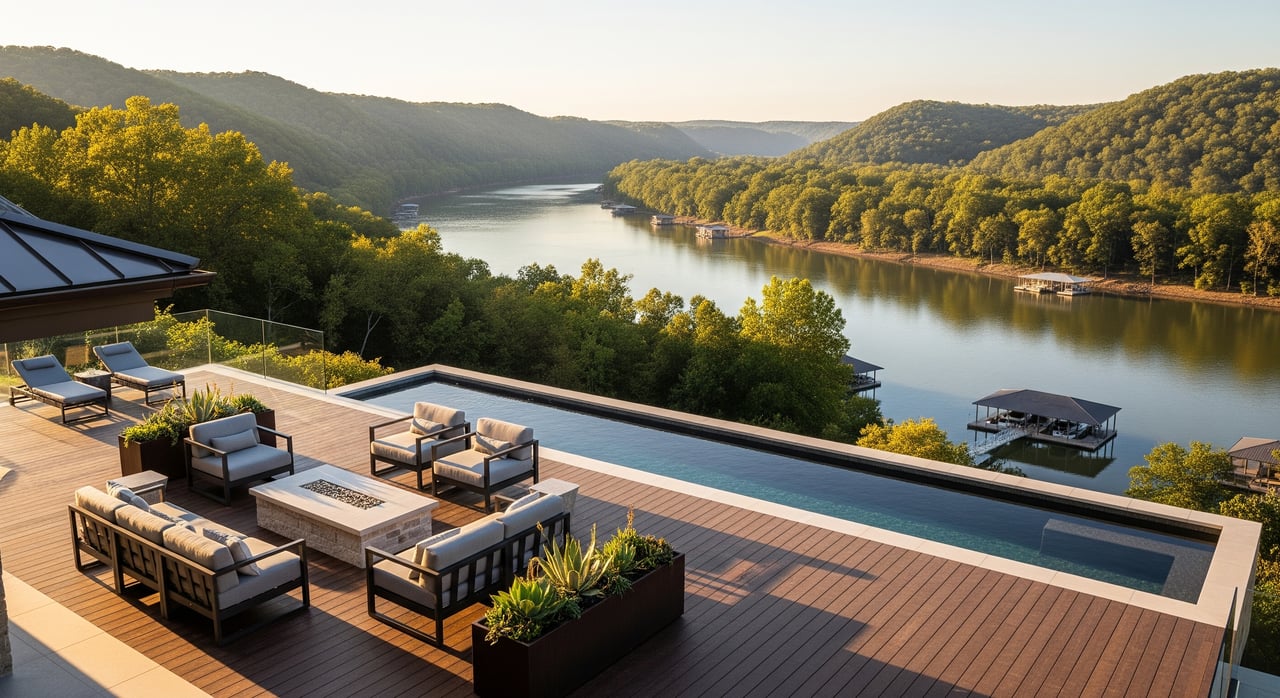
Waterfront living puts recreation at your doorstep. You can enjoy boating, kayaking, and fishing without loading gear into a car. Many river-adjacent areas also offer quick access to trails and parks, including popular stretches of the Tennessee Riverwalk.
Expect a strong scenic draw. Water views can command attention and, in many cases, a market premium. You may also be closer to downtown amenities if you are along the city’s riverfront corridors.
Waterfront trade-offs to consider
River life is not always quiet. Barge traffic and weekend boaters can add noise. You may also notice seasonal humidity, mosquitoes, and occasional algae or odors in some impoundment areas.
Privacy can vary. Some parcels have public access or easements near the waterline, and riparian rights depend on your deed and local rules. Flood risk and shoreline erosion are two key items to evaluate before you write an offer.
Ridge lifestyle: what to expect
Ridge living prioritizes sweeping views, privacy, and cooler breezes in the summer. Elevated settings on Lookout Mountain, Signal Mountain, and Walden Ridge often feel quieter and more wooded compared to valley neighborhoods.
You will likely enjoy lower river flood exposure thanks to elevation. Many ridge homes also showcase distinctive architecture and stonework, and some are near well-known outdoor attractions.
Ridge trade-offs to consider
Access can be steeper and more winding, which matters for daily commuting and winter weather. Driveways, stairs, and private roads may require more upkeep.
Utility availability varies by street. Some ridge pockets use septic systems and may have limited high-speed internet options, so it is smart to verify service with local providers before you commit.
Cost, value, and resale dynamics
Waterfront properties often carry a premium, driven by direct water access, unobstructed views, and dock potential. The exact premium depends on the specific shoreline, flood considerations, and overall lot quality.
Ridge properties with dramatic vistas or proximity to popular attractions can also sell at a premium. Homes with exceptional views and convenient access tend to draw strong interest. Both settings can outperform the broader market when the property checks the right boxes.
Risks and safety: flood vs slope
On the water, the primary concern is flooding and shoreline erosion. The Tennessee River and nearby reservoirs are managed at the regional level, but local storm events still matter. Review official flood maps and ask for elevation information when available.
On ridges, the main concerns are slope-related: instability, rockfall, and localized erosion. Steep or cliffside lots deserve added scrutiny. A geotechnical review is a smart step on steep sites or where extensive excavation has occurred.
Maintenance and ongoing costs
Waterfront owners should budget for dock or seawall upkeep, shoreline stabilization, and pest control. Flood insurance and permitting costs can add to the total cost of ownership.
Ridge owners should expect driveway and private road maintenance, retaining wall and drainage care, and periodic tree work. In winter, snow or ice can make ridge access more challenging, which may mean additional service needs.
Utilities, internet, and access
Many downtown and near-river neighborhoods offer robust municipal services, including electric and fiber internet in the city core. Sewer and water service are common in city neighborhoods.
Ridge and plateau areas are more variable. Some homes are on public water and sewer, while others use septic and possibly wells. Internet speeds can differ road by road. Always verify coverage and capacity with the utility and internet providers for the exact address.
Permits, insurance, and inspections
Flood insurance requirements depend on the home’s flood zone and your lender’s policies. If a property lies in a Special Flood Hazard Area, your lender may require coverage. Ask your insurance professional to compare options and costs.
Work in or over navigable waters usually requires permits. For Tennessee River and reservoir shorelines, confirm dock and shoreline rules through the appropriate agencies. Also check local city or county permitting for seawalls, erosion control, and building work.
For ridge properties, geotechnical assessments and documentation of any slope stabilization or retaining wall work are valuable. For waterfront lots with bluffs or steep banks, an erosion and stability review can help protect your investment.
Neighborhood snapshots
Here are local examples to help you picture each setting. These are general profiles. Always verify specific features for an individual property.
Waterfront highlights
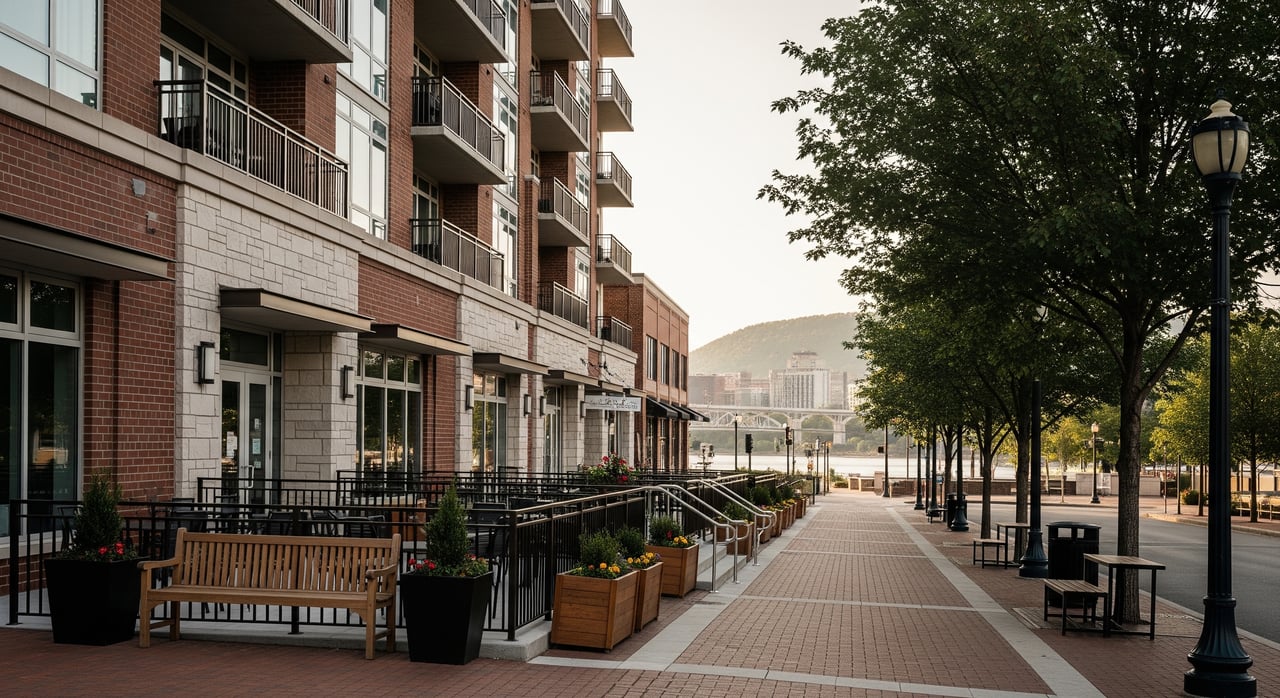
- Downtown, North Shore, Southside: Walkable access to parks, restaurants, and riverfront paths, with condos and single-family homes that capture river views.
- Riverview and West-side river corridors: Suburban and semirural stretches with select parcels offering private docks and boat access.
- Hixson and East Brainerd waterfront pockets: More spread-out lots along Chickamauga Lake’s arms with varied utility connections and shoreline characteristics.
Ridge highlights
- Lookout Mountain: A mix of historic homes and newer builds, signature views, steep streets, and proximity to well-known attractions. Some areas are within the City of Lookout Mountain or unincorporated Hamilton County.
- Signal Mountain: A residential plateau with distinct schools and neighborhoods. Views and access vary by area. Verify utilities and internet service by address.
- Walden Ridge and other escarpments: More rural character in places, with private roads and wooded settings. Due diligence on access and utilities is important.
How to choose your best fit
Start with your day-to-day priorities. If boating and direct water access define your weekends, a riverfront home may be worth the added permitting and maintenance steps. If quiet privacy, breezes, and wide vistas matter most, you may lean toward a ridge home.
Then weigh the logistics. Consider commute time, school zoning confirmation, internet requirements for work, and seasonal access. Factor in risk and insurance costs, the complexity of permits, and long-term maintenance.
Finally, evaluate resale. Properties with standout features tend to attract attention in both settings. Look for the right combination of views, access, and condition to protect long-term value.
Buyer checklist: waterfront or ridge
Use this quick list to focus your due diligence.
- Get a current survey and confirm boundaries, including shoreline or riparian lines where relevant.
- Check the FEMA flood zone and request an elevation certificate if the property is in a flood area.
- Ask about past flood events, shoreline stabilization, dock condition, and prior insurance claims.
- For steep lots, order a geotechnical or slope stability report.
- Verify utilities: fiber internet availability, water and sewer connection, septic permits and age.
- Confirm dock or seawall permits and maintenance records.
- Review zoning, setbacks, stormwater rules, and any conservation or historic district restrictions.
- Confirm access and road maintenance responsibilities, including any HOA or private road agreements.
- Schedule a comprehensive home inspection, plus specialized inspections for docks, retaining walls, and drainage as applicable.
Seller checklist: prep that boosts confidence
A well-prepared file can speed up negotiations and support your price.
- Gather your survey, title details on riparian rights, and permits for docks, seawalls, retaining walls, or slope stabilization.
- If in a flood zone, consider obtaining an elevation certificate or documenting mitigation steps.
- Service docks and shoreline structures, and handle clear safety items before listing.
- Document tree work, erosion control, and any engineering reports for slopes or retaining walls.
- Disclose known water-related or slope-related issues per Tennessee requirements.
If you plan to add or remodel
Zoning, setbacks, and stormwater rules shape what you can build. Waterfront projects often involve extra layers of review for shoreline changes or structures over water. Ridge additions may require engineering for foundations, retaining walls, and drainage.
For both settings, check the correct jurisdiction. Some properties fall within city limits while others are in unincorporated Hamilton County. Jurisdiction affects permitting, inspections, and timelines.
Your next step in Chattanooga
Both waterfront and ridge living can be an exceptional choice in the Tennessee Valley. The right fit comes down to how you live, your tolerance for risk and maintenance, and your long-term goals.
If you want a calm, informed path from short list to closing, the family-run team at the Don Ledford Group is ready to help you evaluate properties, align due diligence, and position your move with confidence.
FAQs
Do Chattanooga waterfront homes always require flood insurance?
- Not always. Requirements depend on the home’s FEMA flood zone and your lender. Many true waterfront parcels carry higher flood risk, so verify zone status and get quotes early.
How can I confirm if a dock is allowed or included with a property?
- Dock ownership and permissibility depend on the deed, prior permits, and waterway rules. Request seller documents and confirm permitting with the appropriate agencies before you rely on dock use.
Are ridge homes in Chattanooga safe from flooding?
- Elevation reduces river flood exposure, but ridge properties can face slope instability and erosion. A geotechnical review is recommended on steep or cliff-edge lots.
Which has better resale: waterfront or ridge homes in Hamilton County?
- Both can perform well. Waterfront often commands a premium, while ridge homes with dramatic views and good access also attract strong demand. Lot quality and usability drive results.
What inspections are unique to waterfront or ridge purchases?
- Waterfront: dock and seawall condition, shoreline erosion, and elevation documentation. Ridge: geotechnical or slope stability review, retaining wall inspection, and access or driveway condition.