Choosing between a condo and a townhome in Downtown Chattanooga can feel like comparing apples and oranges. Both offer urban convenience and low-maintenance living, but the way you own, finance, and maintain them can change your monthly costs and your resale path. You want a clear, practical way to decide what fits your budget today and your exit plan tomorrow. In this guide, you’ll learn the key differences in costs, financing, and resale so you can move forward with confidence. Let’s dive in.
Quick definitions that matter
What a condo means for you
A condominium gives you title to the interior of your unit plus a share of the building’s common elements. An association manages the building, enforces rules, and collects monthly fees that fund operations, insurance on common areas, and reserves for future repairs. You typically focus on interior upkeep while the association handles the roof, exterior, and shared systems, though specifics vary by building. Insurance is usually an HO6 policy for your interior, while the association covers the structure and common spaces.
What a townhome means for you
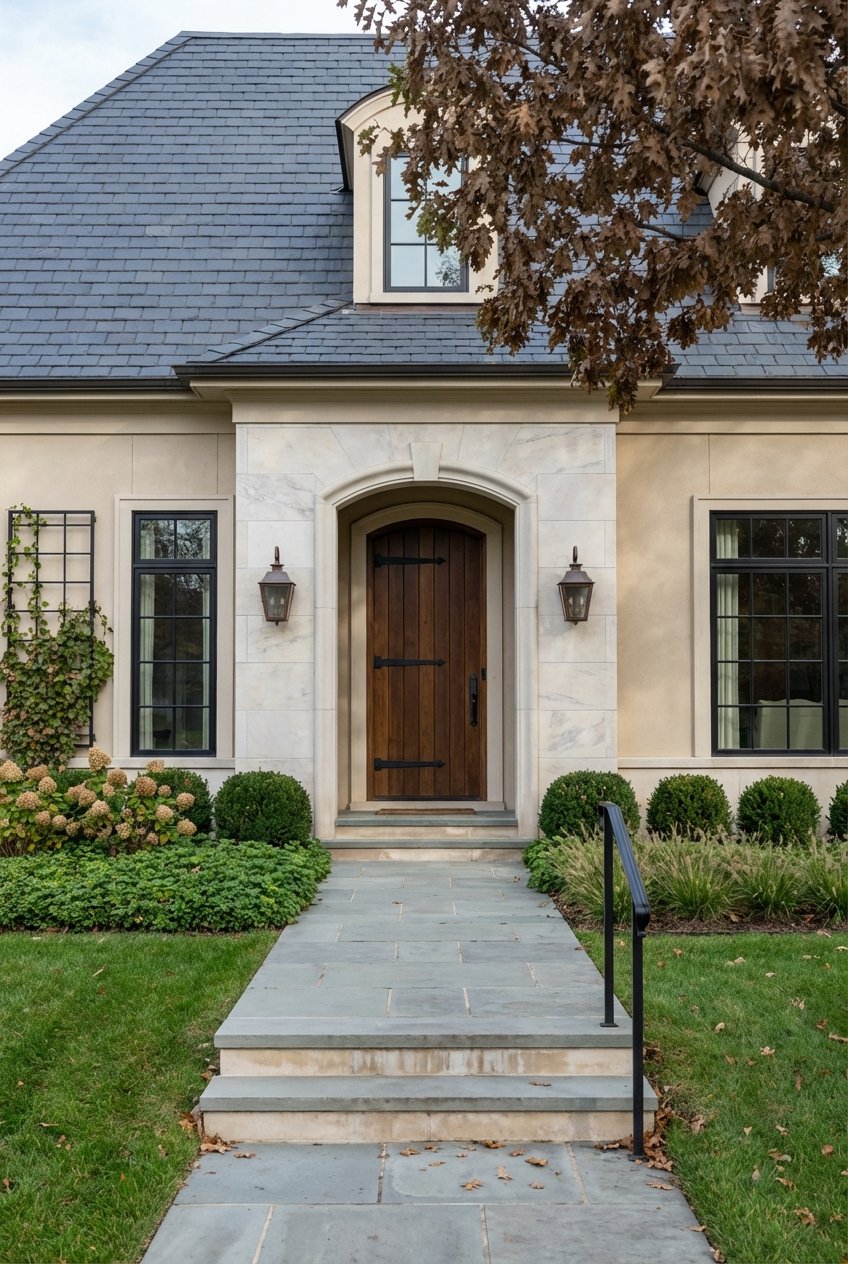
A townhome is often fee-simple ownership of the structure and a defined parcel of land, though some townhomes are organized as condo regimes. You may have an HOA with more limited duties, such as landscaping or private road maintenance, or no HOA at all. Owners usually take on more exterior responsibilities, like roof and siding, unless the HOA covers them. Insurance is often broader dwelling coverage, such as HO3 or HO5.
Downtown Chattanooga market basics
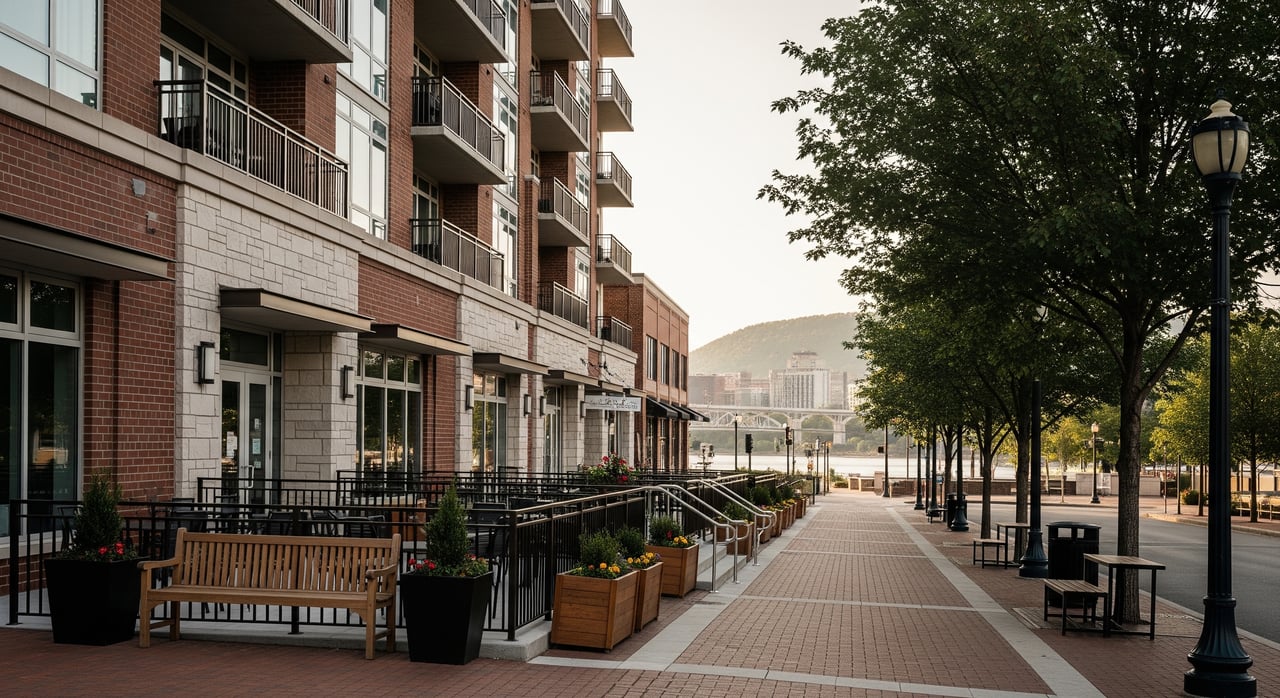
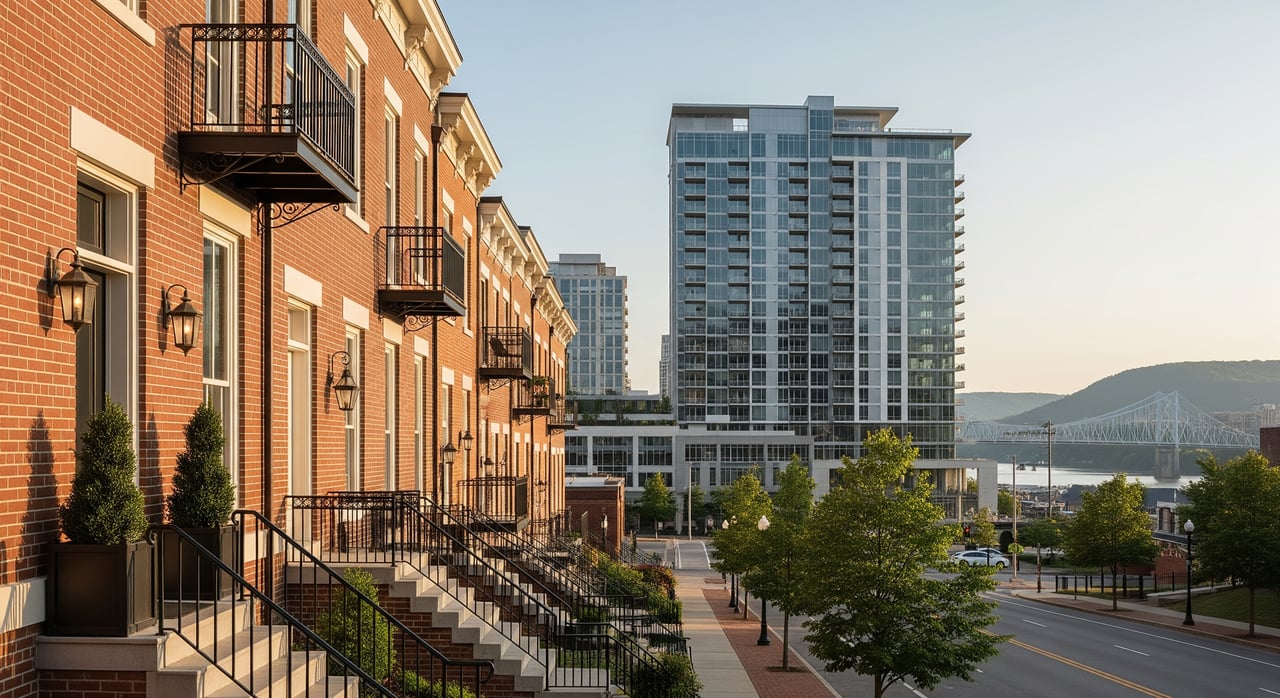
Downtown Chattanooga offers strong walkability, access to employers, riverfront attractions, restaurants, and cultural venues. That mix supports consistent demand for condos, lofts, and attached townhomes. The product mix ranges from historic converted loft-style condos to mid and low-rise condominium buildings and infill rowhouse-style townhomes. Nearby areas like Southside, MLK, North Shore, and neighborhoods just east of downtown tend to influence demand patterns.
Buyers downtown often include young professionals looking for convenience, downsizers prioritizing low-maintenance living, and investors where rentals are permitted. Proximity to employers, UTC, and outdoor recreation helps keep a steady buyer pool year-round. Your choice between a condo and a townhome should consider not just lifestyle, but also how your property type will resonate with these groups when you resell.
Costs that drive your budget
Purchase price and price per foot
Condos and townhomes can trade at different price points and price per square foot, depending on building age, finish level, amenities, and location within downtown. Verify current numbers through local MLS reports and recent comparable sales. Pay attention to whether condos downtown have kept pace with broader single-family trends, and whether townhomes command a premium for private entries, garages, or small yards.
HOA fees and what they cover
Condo fees can be higher, especially in buildings with elevators, fitness centers, secured entries, or extensive common areas. Those fees typically fund day-to-day operations, building insurance on common elements, and reserves for capital projects. Townhome HOA fees, when present, are often lower because services may be limited to landscaping, trash, or private street maintenance. Always review what the fee includes, whether utilities are bundled, and whether there are any pending special assessments.
Property taxes and insurance
Hamilton County and local jurisdictions set property taxes based on assessed values. Ask for an explanation of assessed value versus market value and how the current rates apply to your specific property. For insurance, condo owners typically carry an HO6 policy focused on interior finishes and personal property, while the association covers the building and shared areas. Townhome owners more often need HO3 or HO5 dwelling coverage that insures the structure and exterior, which can affect annual premiums.
Utilities, maintenance, and parking
Some condo buildings bundle water, trash, or other utilities into monthly fees, which can simplify budgeting. Townhomes are more likely to have separate utility accounts and exterior maintenance costs. Parking is a major value driver downtown. Deeded or assigned garage spaces, or a private garage with a townhome, can improve daily convenience and help resale. If storage is important, confirm whether a storage locker or attic/garage space is included.
Maintenance and capital repair exposure
In a condo, the association’s reserve strength and maintenance track record matter. Underfunded reserves can lead to special assessments for roof replacements, elevator modernization, or building envelope repairs. With a townhome, you may shoulder more of the exterior upkeep directly unless your HOA covers it. Budget for roof, siding, gutters, and any shared wall considerations.
Financing and appraisal differences
Loan programs and approvals
Some loan programs, including FHA and VA, may require condominium project approval for the building. A lack of approval can limit buyers who need these financing options. Townhomes are typically treated like single-family attached homes and often avoid project-approval hurdles, which can widen your buyer pool.
Underwriting red flags to watch
Lenders and appraisers review HOA financials for reserve adequacy, owner-occupancy levels, and the presence of litigation. High HOA fees, low reserves, active lawsuits, or a high share of investor-owned units can affect loan terms and eligibility. Appraisers also need relevant comparable sales. Condos in buildings with few recent trades can be tougher to value, while townhomes often have a broader set of comparables.
Rental rules and investor concentration
If you plan to rent, confirm both city regulations and the HOA’s rental policies. Some associations cap rentals, require minimum lease terms, or prohibit short-term rentals. Projects with heavy investor concentration can face stricter lending limits and may see more price volatility in a down market.
Resale outlook downtown
Buyer pools and liquidity
Condos tend to attract buyers seeking turnkey living, lock-and-leave convenience, and building amenities. Townhomes often appeal to buyers who want more space, a private entry, and possibly a small yard or garage. During market slowdowns, buildings with weak reserves or a high share of investor-owned units can experience slower resales and more discounting. Townhomes with individual lots often track single-family trends more closely, which can support steadier resale.
Features that boost value
Walkability, proximity to downtown hubs, and secure parking are key. Views, floor level, and elevator access can influence condo premiums. For townhomes, private garages, quality of construction, and privacy between units matter. For both, well-managed associations and clear, reasonable rules help protect value.
Due diligence checklist
Use this list to compare any downtown condo or townhome before you commit:
- Ownership and structure: Confirm whether a townhome is fee simple or part of a condo regime, and understand your maintenance obligations.
- HOA documents: Review CC&Rs, bylaws, budgets, and recent meeting minutes.
- Reserves and assessments: Check reserve study status, funding policy, and any recent or proposed special assessments.
- Financial health: Look for adequate reserves, clean audits, and no chronic deficits.
- Litigation and claims: Ask about pending or recent lawsuits and insurance claim history.
- Owner-occupancy and rental rules: Verify rental caps, minimum lease terms, and short-term rental restrictions.
- Insurance: Get quotes for HO6 vs HO3/HO5 as applicable to the property type.
- Utilities and fees: Confirm what HOA fees include and any separately metered utilities.
- Parking and storage: Verify whether spaces or storage are deeded or assigned, and any transfer limitations.
- Taxes and valuation: Ask how assessed value is calculated for Hamilton County and estimate your annual taxes.
- Comps and appraisal: Review recent comparable sales to gauge pricing and potential appraisal support.
Which fits your goals
Consider these head-to-head categories as you weigh your options:
- Monthly carrying costs: Compare mortgage, HOA dues, taxes, insurance, and utilities. Condos may have higher dues but cover more line items. Townhomes may have lower dues but more exterior upkeep.
- Maintenance responsibility: Condos centralize exterior work with the association. Townhomes often require you to plan for roof and siding costs unless covered by the HOA.
- Financing complexity: Condos can face project-approval requirements and lender scrutiny of reserves and occupancy. Townhomes usually face fewer hurdles.
- Resale liquidity: Investor-heavy or underfunded condo buildings can resell more slowly. Townhomes with individual lots often align with broader single-family demand.
- Buyer profile fit: Choose based on lifestyle. Condos suit lock-and-leave simplicity. Townhomes cater to buyers who want a private entry and more space.
- Rental viability: Both depend on city and HOA rules. Confirm whether short-term or long-term rentals are allowed and under what conditions.
Two simple scenarios
- Example A: A 900-square-foot downtown condo with elevator access and a fitness room might carry higher monthly dues, which could include water and trash. You budget less for exterior repairs but review reserves to gauge assessment risk.
- Example B: A 1,100-square-foot attached townhome with a garage may have lower dues, with separate utility accounts and some exterior costs you plan for over time. You benefit from simpler financing and a broader comp set for appraisal.
Common pitfalls to avoid
- Skimming marketing materials instead of reading the full CC&Rs, budget, reserve study, and meeting minutes.
- Overlooking rental restrictions or owner-occupancy limits that shrink your buyer pool and financing options.
- Assuming lower HOA dues equal lower long-term costs when reserves are underfunded.
- Misidentifying a townhome that is legally a condo, which changes insurance, maintenance, and financing considerations.
- Ignoring parking rights and storage assignments that affect daily convenience and resale value.
Next steps with a local guide
Your best decision comes from comparing real HOA documents, recent comps, and financing realities for the exact building or project you are considering. If you want a clear side-by-side of monthly costs, reserves, rental rules, and resale prospects for your short list of properties, our team is here to help. Reach out to the Don Ledford Group for a personalized downtown analysis and a plan that fits your goals.
FAQs
How do monthly costs compare for condos vs townhomes in Downtown Chattanooga?
- Condos often have higher HOA dues that may include more services, while townhomes may have lower dues but additional exterior maintenance and separate utility costs.
What do typical condo HOA fees cover downtown?
- Fees generally fund building insurance on common elements, operations, and reserves, and may include utilities like water and trash depending on the building.
How do financing rules differ between condos and townhomes?
- Condos may require project approval for some loan programs and face lender reviews of reserves and occupancy, while townhomes are usually treated like single-family attached homes.
Are condos or townhomes easier to resell in downtown Chattanooga?
- It depends on the building or project, but townhomes with individual lots often track single-family trends, while investor-heavy or underfunded condo buildings can see slower resales.
What HOA red flags should I watch for before buying?
- Low reserves, recent or proposed special assessments, active litigation, low owner-occupancy, unclear maintenance obligations, and restrictive rental policies.
Can I use a downtown condo or townhome as a short-term rental?
- Only if both city regulations and your HOA allow it, so confirm registration requirements and association rules before you buy.
How does parking affect value and resale downtown?
- Deeded or assigned parking, especially garage spaces, is a premium feature that supports daily convenience and improves marketability.
What unexpected costs should I budget for with a condo?
- Potential special assessments tied to elevators, roof or envelope projects, or mechanical systems, especially in older or underfunded buildings.