Thinking about building new housing on a well-located lot in Chattanooga, but not sure where to start? You’re not alone. With a new citywide zoning ordinance, ADU-friendly rules, and public programs supporting small projects, infill is gaining traction across established neighborhoods. In this guide, you’ll learn the key opportunity areas, how the rules work, what to check first, and the practical steps to move from idea to permit with confidence. Let’s dive in.
Why infill in Chattanooga now
Chattanooga updated its zoning code in 2024 and published new official maps. The ordinance became effective December 18, 2024, and the city has been refining details during a short transition period. That means you’ll see active projects alongside code clarifications and administrative guidance. You can review city updates and the new map information through the Regional Planning Agency’s notices on the new zoning map and code changes. Recent map and ordinance updates are posted by CHCRPA.
Accessory Dwelling Units are part of the city’s strategy to add gentle density. The City Council adopted an ADU ordinance in 2022 that opened up ADUs on many single-family lots, typically reviewed through ministerial permitting. Size, siting, and design limits apply, and historic overlays may require additional review. You can read the city’s summary of the ADU ordinance in the Chattanooga ADU announcement.
Two public programs also shape infill feasibility. The City launched Invest Chattanooga, a housing production financing tool, and empowered the Chattanooga Land Bank Authority to move surplus or donated parcels toward infill and affordable housing. Both can influence your capital stack or land pipeline. Learn more about Invest Chattanooga’s housing production fund and bookmark the Chattanooga Land Bank Authority page for RFPs and parcel opportunities.
Finally, demand in Hamilton County continues to support interest in homes in walkable, established areas. For deal-specific numbers, verify current pricing, rents, and days on market with your MLS sources before finalizing a pro forma.
Where you’ll see infill happening
Missing middle on small lots
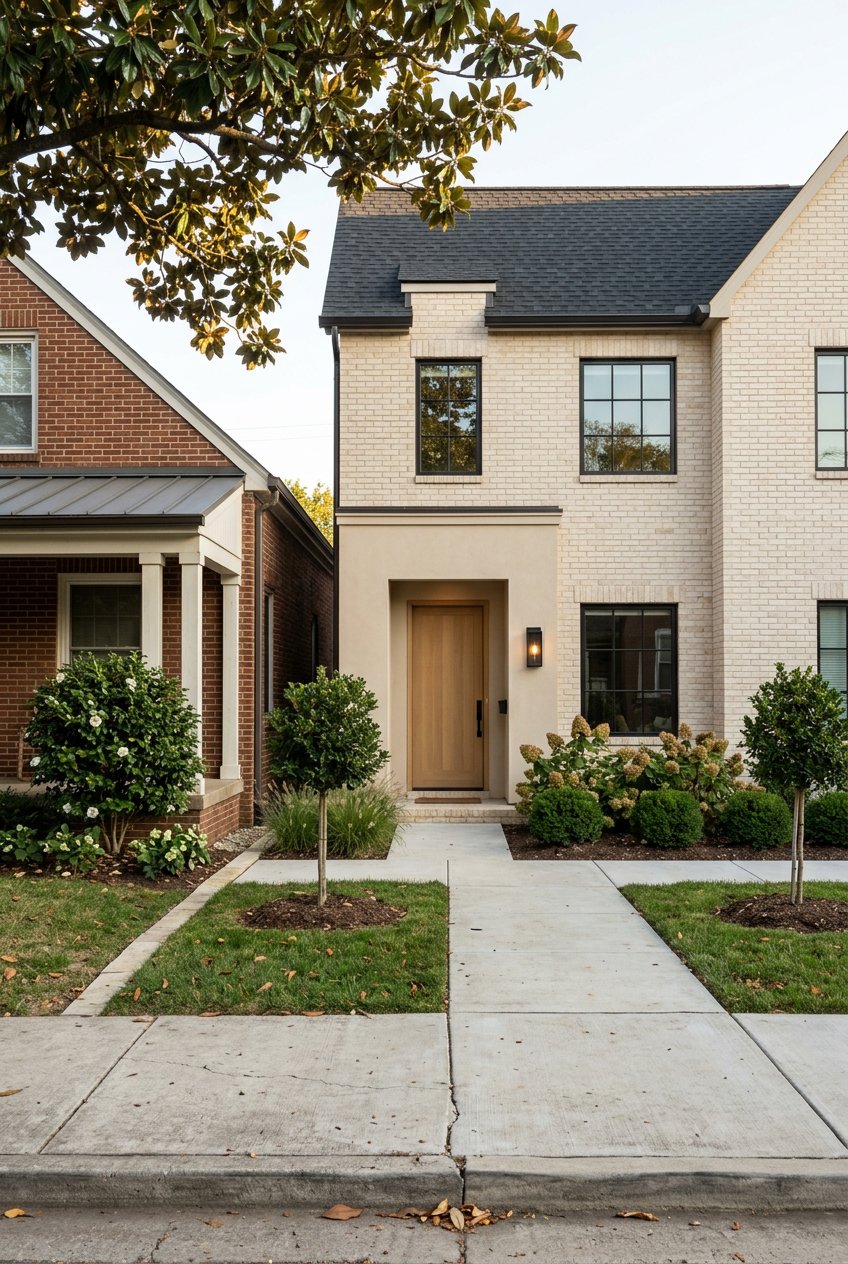
Smaller multifamily formats are appearing on vacant lots and subdivided parcels. Duplexes, quadplexes, six-plexes, and cottage courts can add units while keeping a neighborhood scale. A leading local model is Chattanooga Neighborhood Enterprise’s Missing Middle program, which delivered roughly 182 units across about 50 scattered parcels in Highland Park and Ridgedale. That effort was recognized by ULI’s Jack Kemp Awards and offers clear lessons on design and financing for local infill. See the ULI case study on Chattanooga’s Missing Middle.
ADUs for flexible, gentle density
ADUs add rental or owner-occupied space with minimal visual change to a block. Chattanooga’s ordinance enables attached or detached ADUs on many single-family sites, typically through a straightforward Land Development Office review. Historic overlays can trigger extra steps with the Historic Zoning Commission, and standards such as size, parking, and owner-occupancy have evolved over time. Confirm the latest rules for your parcel using the city’s ADU overview and the RPA’s ADU ordinance guidance.
Tear-down and replacement
Buying an older home to replace it with a new single-family or small multifamily building can work well in established neighborhoods. Plan for demolition rules and environmental steps that affect cost and schedule. Most demolitions require an asbestos survey and a Ten-Day Notification with the Chattanooga-Hamilton County Air Pollution Control Bureau. Review the APCB asbestos and demolition guidance early and budget for abatement if needed.
Adaptive reuse and underutilized parcels
Reactivating small commercial or warehouse sites with housing or mixed use can unlock value where land is tight. Chattanooga has a history of these conversions, including the redevelopment of the former Dixie Savings warehouse into Onion Bottom Station. You can read about that project in this local adaptive reuse article. Public land tools, including the Land Bank’s RFPs, can also open doors to small, well-located parcels for affordable or mixed-income infill.
Zoning basics to check first
Confirm zoning and overlays
Start with the city’s official Zoning & Maps portal and GIS viewers to identify your parcel’s zone and any overlays. If you need something in writing for lenders or partners, request an Official Zoning Verification Letter from the Land Development Office. The city reports a 30-calendar-day turnaround and a fee. You can access the Zoning & Maps portal and verification letter details here.
Read the new code essentials
For each site, pull the use matrix and the dimensional standards under the new code to confirm the basics:
- Use allowances: by-right, conditional, or requiring rezoning or a Special Exception.
- Dimensional rules: setbacks, frontage, maximum height, lot coverage, and minimums for lot width or area.
- Parking and design: parking ratios and any applicable design standards.
- Overlays: Form-Based Code areas, local Historic Districts, Flood Hazard or Floodway, and special purpose overlays that add design or review steps.
- Relief pathways: administrative modifications can address modest dimensional issues. Bigger departures may require a variance from BOZA or a rezoning through the RPA and City Council. See the city’s references tied to the new zoning maps and process and CHCRPA’s code change updates.
Verify ADU standards for your lot
ADU permissions, size limits, and parking rules can vary by zone and may change over time. If your parcel sits in a local historic overlay, plan for a Certificate of Appropriateness. Cross-check your plan against the city’s ADU announcement and the RPA’s ADU ordinance guidance.
Land disturbance and stormwater
Even on small sites, site work can trigger permitting. Determine early whether a Land Disturbing Permit is required and what stormwater controls apply. Submittals after December 18, 2024 must comply with the new code standards. See CHCRPA’s zoning map and ordinance update page for context and links to staff contacts.
Due diligence checklist for infill deals
Pre-offer: quick red flags
- Confirm parcel tax ID and current owner through county records or your title company.
- Do a quick zoning check in the city’s GIS. Look for historic, flood, and form-based overlays. Use the City Zoning & Maps portal.
- Check flood risk via FEMA maps and the city’s flood layers in the Zoning portal. Start at the Zoning & Maps portal.
- Walk the site. Note slope, alley access, mature trees, visible utility conflicts, and proximity to rail or gas stations.
- Review permit history and any open code cases on the city portal to flag potential nonconformities.
Under contract: order immediately
- Title commitment and recorded documents. Look for easements or covenants that reduce the buildable area.
- ALTA/Boundary and topographic survey. You’ll need an accurate footprint, utilities, setbacks, and topo for design and permitting.
- Utilities and sewer availability check. Contact the City Utilities and LDO to confirm service, meter sizes, capacity, connection fees, and whether adjacent alleys are city right-of-way. Start at the LDO permits and applications page.
- Environmental screen. Order a Phase I ESA if the site has any commercial or industrial history, and plan for Phase II if flagged.
- Historic status. If you are in a Local Historic District, demolition and exterior design changes often require a Certificate of Appropriateness. Confirm via the Zoning & Maps portal.
- Land Disturbing Permit threshold and stormwater. If an LDP is required, coordinate your civil plans so you meet new-code standards. See CHCRPA’s new zoning map update.
- Demolition and asbestos. Schedule a survey and file the Ten-Day Notification with the Air Pollution Control Bureau if demolition is planned.
Pre-construction: before breaking ground
- Submit building permit applications and any required LDP through the City’s OpenGov system. Confirm fees, potential incentives, and review timelines on the LDO permitting page.
- If rezoning or a Special Exception is needed, set a pre-application meeting with RPA. Budget for neighborhood notification and public hearings. CHCRPA posts zoning map and process updates here.
- Prepare erosion and sediment control plans, coordinate utility connections, and understand bonds or as-built requirements that control final release and your certificate of occupancy. Reference the LDO permits page.
Permitting paths and timelines
Understanding your likely track saves time and money.
Ministerial by-right permits. Many ADUs and basic single-family replacements are administrative reviews with the Land Development Office. Overlays, flood zones, or environmental triggers can add steps. Review the RPA’s ADU ordinance page.
Administrative modifications and variances. Modest dimensional relief is sometimes available administratively. Larger departures usually require a variance through BOZA or a rezoning via RPA and City Council. Start your review with the city’s zoning maps and process resources.
Rezoning and Special Exceptions. When you need a different use or more units than your zone allows, expect a multi-month public process administered by RPA and the City Council. Monitor CHCRPA updates on the new zoning map and regulations and plan for community input.
Common pitfalls to avoid
- Assuming sewer or water is available without confirmation. Capacity or connection fees can change feasibility. Verify through the LDO permitting contacts.
- Underbudgeting demolition and asbestos abatement. Surveys and notifications are time-sensitive and can add cost. Check APCB requirements early.
- Overlooking historic overlay design controls. Certificates of Appropriateness can add design steps and review time. Confirm overlays on the Zoning & Maps portal.
- Missing flood designations. Flood Hazard or Floodway status may require elevation or mitigation that impacts your budget. Verify through the city’s zoning maps.
How a local partner reduces risk
Infill success is about details. A local team helps you read the map faster, anticipate friction points, and line up the right pros. You get early coordination with LDO and RPA, a realistic sense of administrative modifications versus variances, and access to off-market lots or Land Bank opportunities. Just as important, you gain neighborhood context and historical sales data that keep your pro forma grounded.
If you want a single point of contact to source sites, coordinate due diligence, and keep permits on track, the Don Ledford Group is ready to help. Our team blends multigenerational local ties with polished, professional execution across land, small multifamily, and development deals.
Your next five steps
- Run a quick zoning and overlay check and, if you are serious about a site, request a Zoning Verification Letter. The city reports about a 30-day turnaround. Start at the Zoning & Maps portal.
- Order title and an ALTA boundary/topo survey as soon as you enter an option or go under contract.
- If demolition is part of the plan, book an asbestos survey and prepare the APCB Ten-Day Notification. See APCB guidance.
- Considering small multifamily or cottage courts. Study local models and public land opportunities, including the ULI case on Chattanooga’s Missing Middle and the Chattanooga Land Bank Authority.
- Schedule a pre-submittal meeting with LDO and RPA to confirm permit triggers, stormwater thresholds, and potential administrative modifications. Reference the LDO permits page.
Ready to evaluate a parcel or assemble a small-lot opportunity in an established neighborhood. Start a conversation with the Don Ledford Group. We’ll help you map the approvals, line up the right consultants, and keep your Chattanooga infill project on schedule.
FAQs
What changed with Chattanooga’s 2024 zoning ordinance?
- The city adopted a new zoning ordinance effective December 18, 2024, published new maps, and is refining administrative details, so you should confirm parcel-specific standards and processes through the CHCRPA update page.
Can you build an ADU in a historic Chattanooga neighborhood?
- ADUs are broadly enabled, but lots in local Historic Districts may require a Certificate of Appropriateness, so verify your overlay status and review the city’s ADU overview and RPA guidance.
Who oversees demolition and asbestos abatement in Hamilton County?
- The Chattanooga-Hamilton County Air Pollution Control Bureau administers asbestos surveys and Ten-Day Notifications for most demolitions; see the APCB asbestos page.
How do you confirm zoning and overlays for a specific parcel?
- Use the City’s Zoning & Maps portal to view official zoning and overlays, and request a Zoning Verification Letter from LDO if needed; start at the Zoning & Maps page.
Where can you find public land or financing support for infill?
- Watch the Chattanooga Land Bank Authority for parcel opportunities and explore Invest Chattanooga’s housing production fund for potential financing options.