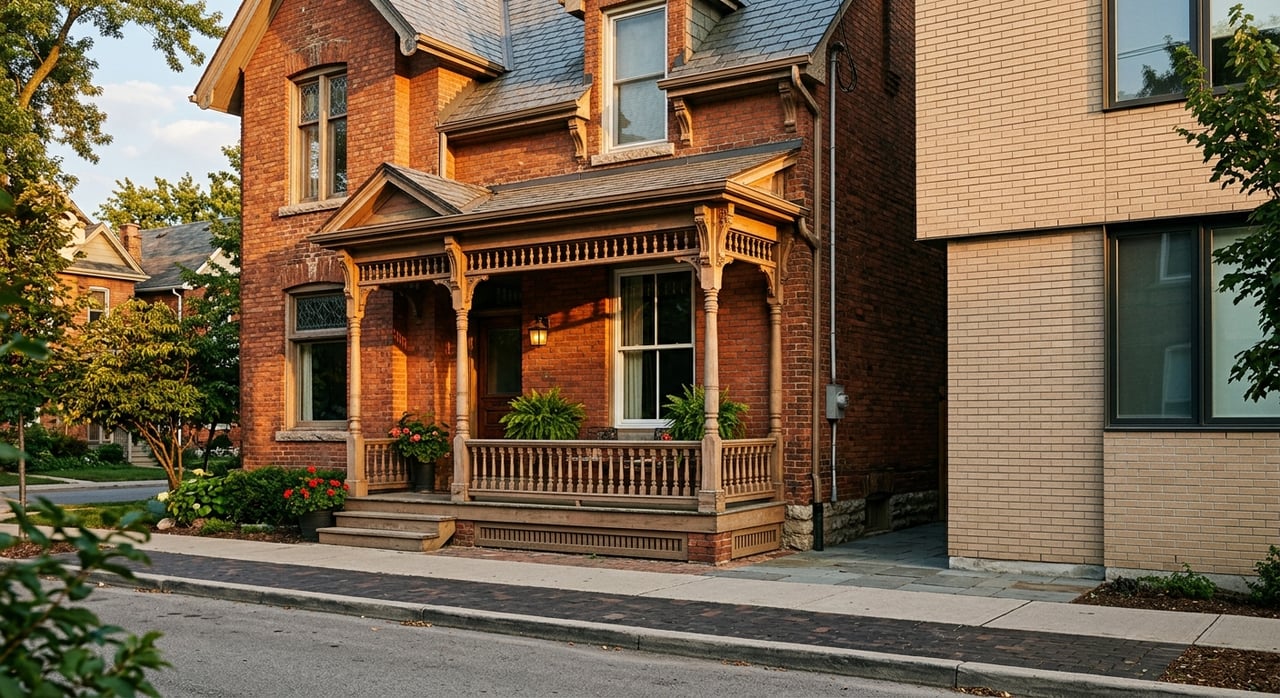
Looking for the right fit in Cleveland can feel like choosing between two good things. You may love the character of older in-town streets, or you may want the convenience and flexibility that come with newer growth areas. The good news is that Cleveland offers both, and each side of the market tells you something important about how the city has grown. If you want a clearer picture of what sets these neighborhoods apart, let’s dive in.
Cleveland’s Historic Core
Cleveland’s most established residential areas sit mainly north of the downtown commercial district. According to the city’s residential design manual, this part of town began developing in the late 19th century around Centenary College and later became a preferred residential area. Within this area, the Centenary Avenue and Ocoee Street Historic Districts together include about 475 buildings.
These streets stand out because their character comes from more than just older homes. The city notes that the oldest dwellings in Cleveland are concentrated in these districts, and the overall feel is shaped by mature blocks, a tighter street pattern, and homes that relate closely to the sidewalk and street. That combination gives many in-town areas a distinct sense of continuity.
Historic Home Styles
If you are drawn to older architecture, Cleveland’s historic districts offer a strong mix of recognizable styles. The city identifies Queen Anne, Colonial Revival, Craftsman/Bungalow, and Tudor Revival as key house types in these areas. Each style adds to the visual texture that many buyers associate with historic charm.
Queen Anne homes are often asymmetrical and may feature wraparound porches and decorative exterior details. Craftsman and Bungalow homes are generally one to two stories with low-pitched roofs, broad porches, and tapered porch supports. These porch-forward designs help define the look and rhythm of older Cleveland blocks.
How Historic Character Is Preserved
Part of what keeps these neighborhoods appealing is the city’s focus on compatibility. The design guidelines say front and side yard setbacks should respect the block pattern, and minimum front setbacks under most residential zoning are usually about 15 to 20 feet. Parking and garages are often better placed toward the rear or near an alley, which helps keep the street-facing view centered on the home itself.
The city also makes room for change. New construction can be built on vacant lots, but it should fit the surrounding area’s scale, roof forms, and porch placement. In locally designated historic districts, a Certificate of Appropriateness may be required for visible exterior work such as alterations, additions, or demolition, with the strongest review focus on street-facing features.
New Growth in Cleveland
Cleveland’s newer growth areas tell a different story. Instead of developing around a traditional downtown grid, many of the city’s recent changes are shaped by larger planning areas, transportation corridors, and infrastructure improvements. That pattern helps explain why newer neighborhoods can feel more spread out and more car-oriented.
In the Mayor’s 2026 State of the City remarks, Cleveland reported issuing 608 new construction permits with a total value of about $220.5 million. The city also described long-range planning concepts that include traditional neighborhoods, village commercial areas, mixed-use frontage, community parks, senior living, and school sites across hundreds of acres. That points to growth happening in larger, more connected zones rather than isolated projects.
Where Growth Is Happening
City facilities and corridor planning offer practical clues about where development has been active. Cleveland says Fire Station 5 on Freewill Road was built to serve one of the city’s fastest-growing residential areas. Other stations, including Station 2 on Paul Huff Parkway and Station 3 on APD 40, support areas tied closely to commercial activity and major transportation routes.
The Michigan Avenue Road and Dry Valley Road corridor study shows another side of that growth. The southern end of the corridor includes major industrial employers, established homes, and new residential developments. North of Stuart Road, the area becomes more rural, with only one residential subdivision near the jetport.
Corridors Shape Daily Life
Several of Cleveland’s newer activity centers are organized around major roads rather than older neighborhood blocks. The city’s future land-use materials identify Keith Street, South Lee Highway, and part of 25th Street NW as developed commercial corridors where reinvestment and increased densities may continue. Paul Huff Parkway is also a major route, carrying about 28,300 vehicles per day in the regional transportation plan.
For you as a buyer or seller, that matters because roads influence how an area functions day to day. Newer neighborhoods near these corridors may offer easier access to shopping, commuting routes, and regional travel. They may also feel less compact than older in-town streets.
Downtown’s Renewal Connects Old and New
One of the most interesting parts of Cleveland’s growth story is that downtown is not standing still. The city says the Inman Street Corridor Project restored a historic streetscape to its primary uses for the first time in more than 70 years. Improvements include widened sidewalks, streetlights, trees, a new pedestrian alley, and on-street parking.
This matters because it shows how Cleveland is blending preservation with reinvestment. Inman Street and Ocoee/Broad Street are described by the city as the main east-west and north-south axes of downtown redevelopment. The broader goal is to shift an auto-oriented corridor into a more urban, multi-modal district that can support housing, retail, restaurants, and tourism.
Everyday Use of Downtown
Downtown also offers practical convenience, not just visual appeal. First Street Square in the Five Points area provides parking, open space, and event space near restaurants and businesses. City planning documents describe the core as a more livable and welcoming destination, which supports a more walkable daily experience.
The city’s downtown planning history also highlights issues like housing, connectivity, mobility, infrastructure, and greenway connections. That helps explain why Cleveland’s historic in-town areas can feel both established and actively refreshed. You are not just seeing old buildings. You are seeing a part of the city that is still being shaped for how people live and move today.
Historic vs. New: What Feels Different
If you are comparing neighborhoods in Cleveland, the difference often comes down to how you want your day-to-day life to work. Historic in-town areas tend to offer porch-oriented homes, established blocks, and closer access to downtown civic and social spaces. Newer growth areas tend to offer more road access, more parking, and stronger connections to commercial corridors and regional travel routes.
Neither option is automatically better. It depends on what you value most in a home and location. Some buyers want the visual character and street presence of an older neighborhood, while others prefer the layout and access patterns that often come with newer development.
A Simple Side-by-Side View
| Feature | Historic In-Town Areas | Newer Growth Areas |
|---|---|---|
| Street pattern | Tighter, older grid | More corridor-based and spread out |
| Home character | Porch-forward, older architectural styles | Typically shaped by newer planning areas |
| Relationship to street | Homes often sit closer to the street | More room for parking and auto access |
| Daily convenience | Stronger downtown connection | Stronger highway and commercial access |
| Growth pattern | Managed for compatibility | Planned in larger connected zones |
What This Means for Buyers and Sellers
If you are buying, it helps to think beyond square footage and finishes. In Cleveland, neighborhood feel is often tied to block pattern, transportation access, and how the area has evolved over time. A home in a historic in-town area may offer a different daily rhythm than a home in a newer subdivision near a major corridor.
If you are selling, understanding that difference can help you position your property more effectively. Buyers are often responding to lifestyle as much as the house itself. The way your area connects to downtown, road networks, and long-term city planning can shape how your home is perceived.
At Don Ledford Group, we believe real estate is personal. Whether you are drawn to Cleveland’s established in-town charm or its newer growth areas, a local, relationship-first approach can help you compare options with more confidence. When you are ready to talk through your next move, connect with Don Ledford Group.
FAQs
What defines historic neighborhoods in Cleveland, Tennessee?
- Cleveland’s historic in-town neighborhoods are mainly north of downtown and are known for older homes, porch-forward architecture, mature blocks, and a closer relationship between homes and the street.
What home styles are common in Cleveland’s historic districts?
- The city identifies Queen Anne, Colonial Revival, Craftsman/Bungalow, and Tudor Revival as common styles in the Centenary Avenue and Ocoee Street Historic Districts.
Where are newer growth areas in Cleveland, Tennessee?
- Newer growth is often tied to corridors and expanding residential areas, including places served by Freewill Road, Paul Huff Parkway, APD 40, and parts of the Michigan Avenue Road and Dry Valley Road corridor.
How is downtown Cleveland changing?
- Downtown is being reshaped through projects like the Inman Street Corridor Project, which added wider sidewalks, streetlights, trees, a pedestrian alley, and on-street parking to support a more walkable and active district.
How do historic and newer Cleveland neighborhoods differ?
- Historic areas usually offer older street grids, established architecture, and closer access to downtown, while newer areas often offer more driving access, larger planning areas, and stronger connections to commercial corridors.