Walk down Broad Street after dark this month and you will notice something that wasn't there a year ago: light spilling from the eleventh floor of a building that used to be dark by 6 p.m., and a line of people waiting to descend a staircase into what looks, from the sidewalk, like nothing at all.
That second detail is the tell. Downtown Chattanooga's newest nightlife isn't opening at street level in new construction. It's colonizing the parts of old buildings nobody used to think about, the top floor and the basement, the space above the ground-floor storefront and the space below the bank lobby. If you've been noticing new bars appearing without quite registering the pattern, here it is: this year's expansion happened vertically, inside buildings that were already standing, some of them empty for decades.
The Building That Sat Empty for Twenty Years
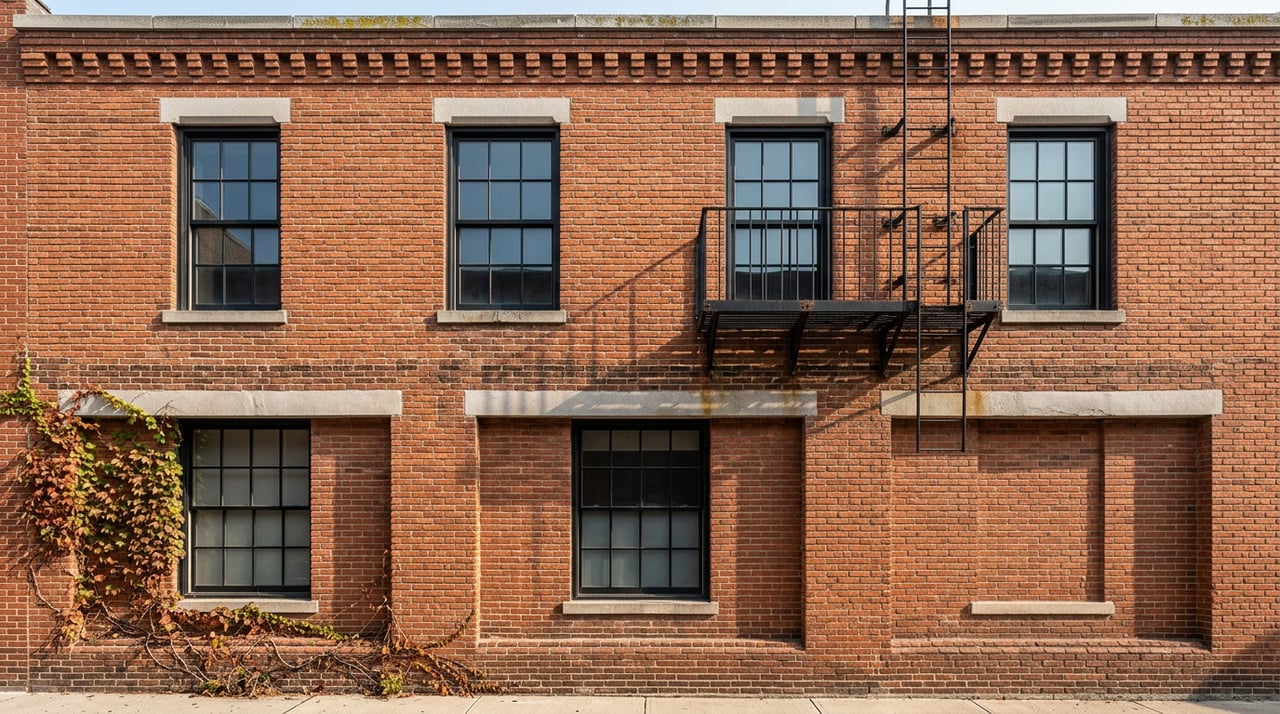
Start at 736 Broad Street, on the corner of West 8th. The building is a 1927 landmark, originally the Chattanooga Savings Bank and Trust Company, and it sat vacant for nearly two decades before HKS Holdings and Concord Hospitality turned it into The Waymark, a hotel that opened this year built around the bones of the original structure, arched windows, masonry, and all.
The hotel itself is not the story for a downtown resident. The story is what the developers did with the two floors nobody else wanted. On the eleventh floor, they built Iris Rooftop, which the property bills as the city's highest rooftop bar, with fire pits, an outdoor patio that wraps the interior space, and views toward Lookout Mountain. Iris doesn't take traditional reservations for its evening hours. You just show up. Happy hour runs Sunday through Thursday from 4 to 6 p.m., and weekend brunch runs Saturday and Sunday from 10 a.m. to 2 p.m., with a tableside Bloody Mary cart making the rounds.
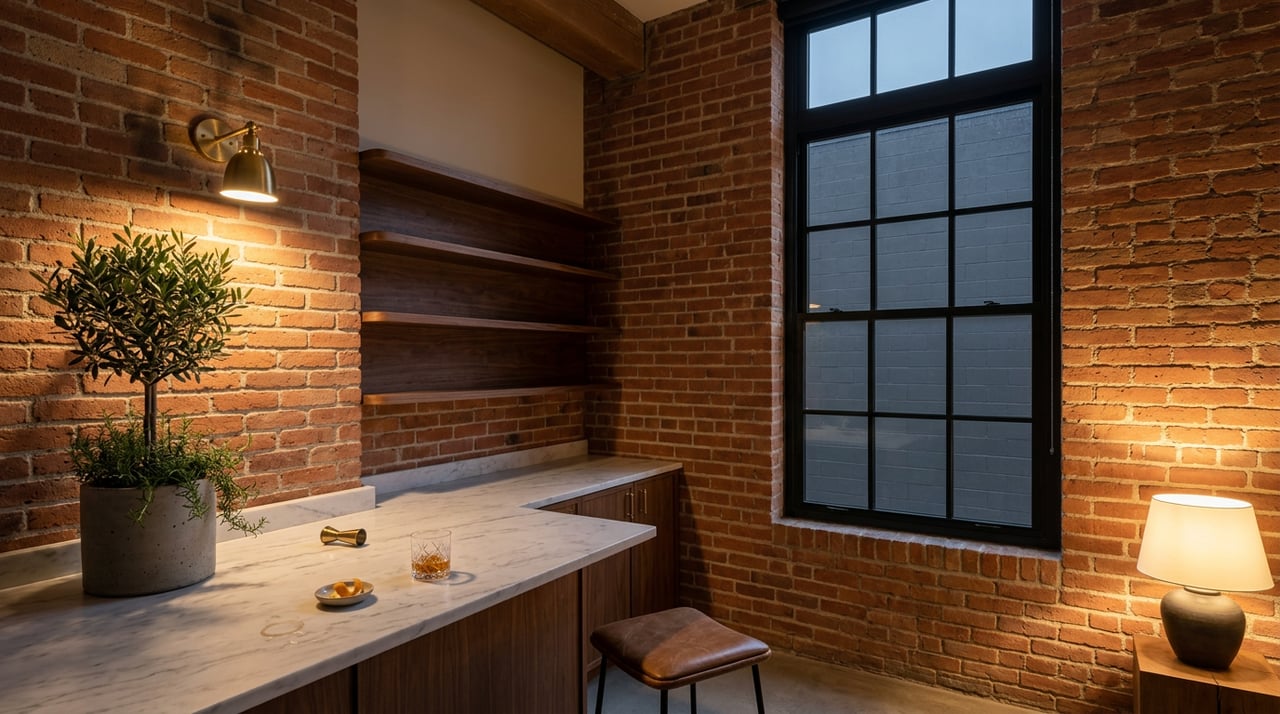
Then they went the other direction entirely. Underneath the same building, inside the bank's actual vault, sits The Vault, a speakeasy you enter through the original vault door. It has its own phone line, separate from the one listed for the rooftop bar upstairs, which tells you something about how the operators think of it: not a hotel amenity, a destination in its own right.
Two venues, same building, same year, one eleven floors up and one below street level. That's not a restaurant opening. That's a building getting a second and third life out of the two spaces a bank never needed the public to see.
The Rest of the Vertical Circuit
The Waymark isn't the only example, just the most literal one. Downtown's other new arrivals this year follow a version of the same logic: find the upper floor, the tucked-away room, the space that isn't at eye level from the sidewalk.
- Broads Lounge, downtown, pours a cocktail list built entirely around spirits that are women-owned, women-led, or women-distilled. It's the kind of concept that needs an intimate room, not a corner storefront with a sandwich board out front.
- HOME Bar, also downtown, runs a menu that includes a pistachio-infused cocktail program and decorates its walls with original local artwork rather than the usual neon.
- Petal and Pour, downtown, splits the difference between a floral studio and a cafe, with build-your-own-bouquet bars for events layered on top of the coffee counter.
None of these read as a single restaurant boom. They read as a neighborhood quietly filling in its unused vertical space, the way a bookshelf fills in gaps rather than growing a new room. If you live downtown and haven't been to any of these yet, the pattern worth knowing is that they reward you for looking up and down, not just for reading the storefront signs at eye level.
The Same Instinct, One Neighborhood Over
The logic isn't confined to downtown proper. In the Southside district, a ribbon cutting earlier this month introduced The Trinity, a New Orleans-inspired restaurant founded by longtime friends Ken Newburger and Carlitos Fernandez. The address is 1278 Market Street, inside the historic former St. John's Restaurant and St. John's Hotel building, a space with its own long institutional memory in the city's dining scene. Newburger, a New Orleans native, has said he sees the restaurant as a way of sharing a piece of home with Chattanooga.
The location matters here in the same way the Waymark's vault matters. Nobody built The Trinity from scratch on an empty lot. Somebody looked at a building with history already baked into its walls and figured out what to do with it next. That's twice in a single year that Chattanooga's most talked-about new spots have chosen adaptive reuse over new construction, which says something about where the interesting real estate in this city currently sits: not in the parcels that are empty, but in the buildings that are merely underused.
What's Actually on the Calendar This Fall
If you live downtown, the next two months give you a reason to be outside more than usual, and none of it requires driving anywhere.
The Chatta Town Tasting Festival lands on September 19 at 140 Riverfront Parkway, a short walk from most of downtown's residential buildings. Two weeks after that, the 3 Sisters Bluegrass Festival returns to Ross's Landing on October 2 and 3, a free weekend of regional and national bluegrass acts on the riverfront that has become one of the city's more reliable fall traditions. Later in the month, IBMA Bluegrass Live brings its conference, showcases, and a downtown festival component to the city on October 23 and 24, part of a run that Chattanooga is set to host through 2027.
None of these events require a car, a reservation, or planning more than a few weeks out. They're the kind of thing you notice on a run along the riverfront or catch the tail end of on a Saturday errand, which is really the same rhythm the new bars are asking you to adopt: pay attention to what's happening slightly off your usual path, because that's where the new stuff keeps landing.
The Pattern Underneath the Pattern
Here's the through-line, if you want it stated plainly. Downtown Chattanooga's dining and nightlife scene isn't expanding into new square footage. It's expanding into the square footage that was always there but sitting idle, the top floor of a building that had nothing above its lobby, the vault of a bank that stopped needing a vault, the second story of a building whose ground floor already had a tenant. That's a different kind of growth than a city adding new blocks. It's a city rediscovering how tall and how deep its existing blocks actually are.
If you already live downtown, the practical version of that insight is simple: the next new bar or restaurant probably isn't going to appear where you'd expect it, at street level in a space that used to be something else at street level. It's more likely to show up somewhere you walk past every day without looking up, or down.
Whether you're weighing what any of this means for your own downtown property, or you're just the kind of resident who likes knowing the neighborhood's rhythm before everyone else catches on, the team at Don Ledford Group spends as much time tracking these local shifts as we do closings. Start the conversation and get your instant home valuation whenever you're curious what a summer like this one has done to your own address.